Bloggers
Dr. Adam Urato is the Chief of Maternal-Fetal Medicine at MetroWest Medical Center in Framingham, Massachusetts. He writes and lectures on medication exposures in pregnancy.

Akiko Hart is the Chair of ISPS UK, a Committee Member of the English Hearing Voices Network and the Hearing Voices Project Manager at Mind in Camden. She has previously worked as the Director of Mental Health Europe. Her research interests include critical suicidology, psychosis and dissociation.
For the past twelve years, Al Galves, PhD, has been fighting biopsychiatry and advocating for safe, humane, life-enhancing approaches to helping people who are experiencing emotional distress, life crises, difficult dilemmas, spiritual emergencies, terror and overwhelm.

The Wrong Profession? After nearly 15 years of working in the pharmaceutical industry, Amy's mission is to help women avoid, reduce, and eliminate their need for prescription medications. She believes in the healing powers of food, sunlight, exercise, sleep, and community. For more information, visit her website.

Madness in Civilization: Andrew Scull is Professor of Sociology and Science Studies at UC, San Diego. He is the author of many books and articles on the history of psychiatry, including Decarceration, Museums of Madness, The Most Solitary of Affllctions, Masters of Bedlam, Undertaker of the Mind, Hysteria, and several others. His newest book is Desperate Remedies: Psychiatry’s Turbulent Quest to Cure Mental Illness.
Art Levine is a contributing editor of The Washington Monthly, a recent Alicia Patterson Foundation Fellow and a former Fellow with the Progressive Policy Institute. He has written for The New Republic, The Atlantic and numerous other publications, and is the author of 2005's PPI report, Parity-Plus: A Third Way Approach to Fix America's Mental Health System.

Ashley Bobak is a licensed psychologist and earned her doctoral degree in Clinical-Community Psychology from Point Park University. She is interested in the intersections of philosophy, history, and psychology and is using this intersection as a lens to examine substance addiction. She hopes to develop and promote alternative approaches to conceptualizing and treating psychopathology that maintain and revere human dignity.

Fixing A Broken World: A psychiatric survivor activist contemplates the mental health system, stigma, science, law and culture, politics, and the practical realities of fighting what some have called one of the "Last Great Civil Rights Battles."
Deconstructing the Institution: Dr. Burstow is a faculty member at University of Toronto, and an antipsychiatry activist. She writes about language, institutional ruling, resistance, and social change. Works include The Other Mrs. Smith, Psychiatry and the Business of Madness, Radical Feminist Therapy and Psychiatry Disrupted. For more information, see bizomadness.blogspot.ca
Commonsense Rebellion: Bruce E. Levine, a practicing clinical psychologist often at odds with the mainstream of his profession, writes and speaks about how society, culture, politics and psychology intersect. His latest book is A PROFESSION WITHOUT REASON: The Crisis of Contemporary Psychiatry―Untangled and Solved by Spinoza, Freethinking, and Radical Enlightenment (2022). His website is www.brucelevine.net
Enemy of the People: Carl Elliott is a professor at the Center for Bioethics at the University of Minnesota. He writes on the medical-industrial complex, and is the author of Better Than Well and White Coat, Black Hat.
All of Us or None of Us: Chaya questions the idea that some of us are "mentally ill" and others of us are not. Her book Freedom From Psychiatric Drugs is available on Kindle and in paperback. She shares lessons learned through coaching people coming off psychiatric drugs and/or looking for alternatives to taking them. Get a free E-Book on nutritional and creative alternatives here. Her certificate course in consulting with those coming off psychiatric drugs is here.
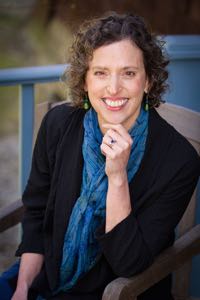
The Silenced Child: As a pediatrician bringing perspectives from developmental psychology, psychoanalysis, and neuroscience, Dr. Gold explores the ways in which listening to parents and children promotes growth, healing and resilience. In parallel, she exposes the various forces in our culture that obstruct listening. Her forthcoming book is The Silenced Child.
Wellness Wordworks: Corinna West writes about the business she founded, which coordinates people suffering from emotional distress to provide instant peer support for one another in exchange for helping anyone interested in expanding their online presence.
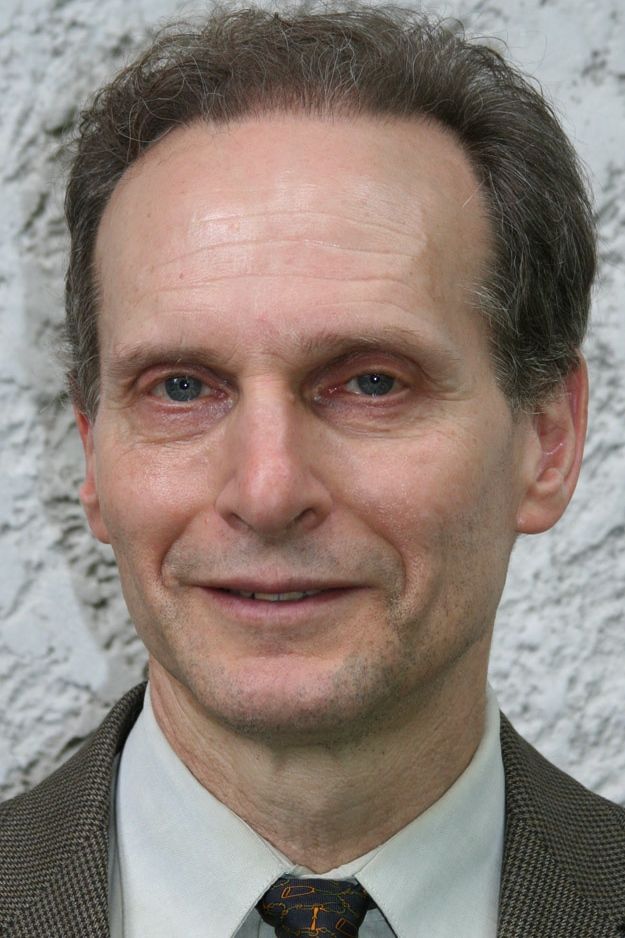
ADHD: A Return to Psychology: Amid concern that we are proposing the existence of a medical problem with which no biological markers reliably correspond, Craig explores "ADHD" behavior and interventions that encourage self-reliance and cooperation. Read more at www.craigwiener.com.

The Politics of Diagnosis and Treatment - An Evolutionary Biological View: A practicing clinical psychologist, Dan Kriegman explores the negotiation of conflicting realities that lies at the heart of successful treatment, and how a healing discipline can help prevent the dictating of meaning and truth from one party to another.
Recovery Through Voice and Dialogue: Co-founder of the National Empowerment Center, Daniel Fisher, a psychiatrist, writes on alternatives to the medical/institutional model of distress and healing. In particular, he tells of the Empowerment Paradigm of Development and Recovery.
Dispatches From the Road: A filmmaker and former psychotherapist tells about making his three documentaries about recovery from "madness," and about meeting with peer groups and directors of innovative programs throughout North America and Europe.

Beyond Health and Illness: David Cohen, a researcher, author, professor of social welfare at UCLA and practicing clinical social worker for over 30 years, writes about social and cultural constructions of reality.
Getting From Here to There: David Ross writes about the efforts in Ashland, County Ohio to move its mental health and drug/alcohol system towards a recovery-oriented system of care, one that puts into practice the core principles of recovery, medication optimization and trauma-informed care.
Psychiatric Survivor Activist Tells Mad Movement Stories for Mental Health Justice: After the mental health system abused David with forced psychiatric drugs and labels of schizophrenia and bipolar, David worked as a psychiatric survivor activist for decades. He blogs here and at http://www.davidwoaks.com. David runs a "Green Disability" consulting business, Aciu! Institute.

David Edward Walker, PhD, is a Missouri Cherokee descendent,
psychologist, writer, and musician. For over two decades, he consulted
with the Confederated Tribes and Bands of the Yakama Nation and has
written extensively about Western mental health system complicity in the
oppression of Indigenous people. His new book, Coyote’s Swing, is now
available.

Dennis D. Embry, PhD, was responsible for drafting the letter signed by 23 scientists, who collectively represent scores of randomized prevention trials of mental illnesses published in leading scientific journals. His work has focused on children and adults with serious mental illnesses. He serves on the Children's Mental Health Network Advisory Council.

Diana Rose is a researcher, service user, and activist. She is a leading figure in user-led research and currently an Honorary Distinguished Professor at the Australian National University. Dr. Rose was previously Professor of User Led Research and Director of the Service User Research Enterprise (SURE) at King’s College.
Dick Russell is the author of twelve books, including My Mysterious Son: A Life-Changing Passage Between Schizophrenia and Shamanism, as well as The Life and Ideas of James Hillman: Volume I: The Making of a Psychologist. His website is www.dickrussell.org.

Beyond Prozac: Author, teacher, and mental health coach Douglas Bloch writes on using holistic tools and coping strategies to manage the symptoms of depression, anxiety and bipolar disorder. More information can be found at http://www.healingfromdepression.com.
The STAR*D Scandal: A psychologist who has spent five years “deconstructing” the NIMH’s large study of antidepressants tells of his findings, discusses his published articles, and posts the documents that reveal the bad--and dishonest science--at the heart of this trial.
Psych Drug Action Campaign: Edward Opton writes of his work with colleagues at the National Center for Youth Law's PsychDrugs Action Campaign to reduce harmful uses of psychotropic medications, especially drugs that are used, intentionally or not, as chemical restraints for children in foster care. He is a co-author of The Mind Manipulators.

Ekaterina Netchitailova, PhD, is a lecturer and writer. She has lived in four different countries and speaks four languages. Ekaterina is fascinated by different cultures and walks of life. She is interested in how different manifestations of human psyche have been medicalized and put into the domain of mental health. She is @Chitailova on Twitter. Home – Voices of Resilience

Enrico Gnaulati, PhD, is a clinical psychologist and nationally recognized reformer of mental health practice and policy. His latest books are Flourishing Love: A Secular Guide to Lasting Intimate Relationships (Karnac Books, 2023) and Peacemaking with Preschoolers: Conflict Resolution to Promote Emotional Mastery and Harmonious Classrooms (GoodMedia Press, 2024).

Healing Madness: Eve A. Wood is an integrative psychiatrist and award-winning author who left her Medical Director position due to concern about the toxic shift in her field during 35 years of practice. She is worried about the well-being of her colleagues in medicine, and now works with them as a coach, outside the medical model, to remove stigma and fear of professional consequences.

Francesca Simpson has been struggling with British Columbia’s mental health care system for the last two decades, and was recently released from Psychiatric Intensive Care at Victoria’s Royal Jubilee Hospital as an ostensibly voluntary patient. She is currently writing a book about her experiences and can be reached via email at [email protected].

Gail Tasch, MD, is a board-certified psychiatrist based in Wisconsin. A graduate of Loyola University Stritch School of Medicine, she currently performs mostly inpatient work and is a consultant for adolescent residential-treatment centers. Dr. Tasch devotes much of her career to helping those who have been harmed by the mental health system, including assisting people who have committed violent crimes after taking psychiatric drugs.

Tales from the Madhouse: Gary is a freelance writer and trainer who opted to leave his Consultant Clinical Psychologist post after 33 years of employment within the UK’s psychiatric system. Drawing on extensive clinical experience, his writings highlight the deficiencies of traditional psychiatric practice. He is the author of Tales from the Madhouse: An insider critique of psychiatric services.

Men on Hooks: George Atwood, PhD, is a Professor of Psychology at Rutgers (retired), where he taught for 41 years. George has devoted his life to psychotherapy, specializing in extreme psychological disturbances. He is author of The Abyss of Madness, Faces in a Cloud: Intersubjectivity in Personality Theory, and many other works.

George Mecouch is an osteopath, board certified psychiatrist and currently the medical director at a community mental health center in Vancouver, WA. He also maintains a small, analytically oriented private practice. He has always had a special interest in working therapeutically with psychosis and its connection to the reality of dreams.

Dr. Watson is a clinical psychologist, academic affiliate of the University of South Carolina College of Pharmacology, and a member of the SONAR (Southern Network of Adverse Reactions), a collaborative research and advocacy network that evaluates serious adverse drug reactions and device failures during post-marketing surveillance. She is the author of The Prescription Affliction: Why We Overmedicate Young Minds With Psychiatric Drugs - and How to Stop It. She can be reached at [email protected].

Howard Glasser is the founder, creator, and developer of the Nurtured Heart Approach®. He is the author or co-author of 15 books and teaches at the University of Arizona and at Nurtured Heart Institute. He considers himself a voice of children’s greatness so that they can ultimately find their own voice of greatness.
Iden Campbell believes that The Great Turning is happening, and though our generation may not see the full fruits of our labor it’s up to us to ensure that future generations have the opportunity to live their lives as freely as possible.

Ira Steinman, M.D. has focused on the psychotherapy of the severely disturbed, including schizophrenia, for more than 50 years. For more than 45 years, he has pursued an out-patient psychiatric practice in San Francisco where he has demonstrated that an intensive psychoanalytic psychotherapy, in conjunction with the judicious use of antipsychotic medication, can help even the most lost and disturbed schizophrenic and delusional patients recover, heal and, at times, achieve a cure.

Up the River: A social worker, Jack Carney writes on the contradictions and hypocrisies of the public mental health system, and promotes and applauds acts of resistance to it. In the words of the immortal Joe Hill, spoken just before being executed by a Utah firing squad, he likes to advise: “Don’t mourn, organize!"
Just Thinking: Jim Schroeder's writings focus on natural, readily accessible interventions for parents and professionals. Most recently, he has published the book Wholiness: The Unified Pursuit of Health, Harmony, Happiness, and Heaven. It focuses on the ways in which the pursuit of holiness is synonymous with the drive towards wholeness.

James Scurry is Co-Founder of the British Mental Health initiative SafelyHeldSpaces.org. He holds a Master’s degree in Mindfulness-based Core Process Psychotherapy from The Karuna Institute and has worked as a television news producer for more than a decade for Sky News.
The Gene Illusion: Jay Joseph brings a critical perspective to claims in the media and the academic literature that disordered genes underlie psychiatric disorders, and human behavioral differences in general. His most recent book, Schizophrenia and Genetics: The End of an Illusion (2023), is available from Routledge.

Dr. Bahr specializes in mental health and endocrine conditions with expertise in mood disorders and child/adolescent mental and behavioral health. Her mission is to end stigma so that quality treatment will not be delayed out of fear. For more information, visit www.DrJenniferBahr.com.
Studying in Valdosta, Georgia procuring her Masters of Social Work; US Peer CoVid19 and Crisis Telehealth Network; US Peer Workforce innovation and trending emergent design.
Life Style Can Change the Brain: A clinical psychologist, Jill Littrell writes about research studies of psychiatric medications, and interventions to bolster natural resilience through talk therapy, proper diet, exercise, and support from your friends.
Law, Alternatives and Change: Law, Alternatives and Change: A Harvard-educated lawyer and long time activist for change in the mental health system writes about law as it relates to psychiatric rights and fostering truly helpful, non-coercive alternatives to the current system. Jim's book, The Zyprexa Papers, chronicles the dramatic events surrounding his subpoenaing and releasing secret, damning Eli Lilly documents and surviving the resulting legal onslaught by Lilly, as well as his battles fighting the forced drugging of Bill Bigley for whose case the documents were subpoenaed.

Jo Watson is a UK psychotherapist trainer and activist who started out in the Survivor & Rape Crisis movements 25 years ago. Jo campaigns for a paradigm shift away from the bio medical model narrative of mental distress toward a more appropriate trauma informed response.
Jo formed the Facebook group "Drop The Disorder?!" in September 2016 and organizes the event "A Disorder For Everyone!" that is currently making its way around the U.K.
Grieving for Grief: Joanne Cacciatore is Associate Professor at Arizona State University and founder of the Center for Loss and Trauma. She writes about and researches traumatic grief, and trains providers in "green" mental health care. Her latest book, Selah: An Invitation Toward Fully Inhabited Grief, is used by grief therapists worldwide.
Johanna Ryan is a workers’ comp paralegal and a union and healthcare activist in Chicago. She may or may not have a biological brain disease, but she is definitely allergic to capitalism and addicted to asking questions.

Joshua Kendall has written on psychiatry for numerous publications, including BusinessWeek, The Boston Globe, The New York Times, Psychology Today and Undark. He is also a biographer, whose most recent book is First Dads: Politics and Parenting from George Washington to Barack Obama. For more on his work, see his website.

The Myth of Normal: Justin Brown identifies as a person in recovery who voluntarily takes psychotropic medication. He is a member of M-Power.org, an organization of mental health consumers and current and former psychiatric patients, and also blogs at www.mythofnormal.com.
Kelly Brogan, MD is a holistic women’s health psychiatrist, author of the newly released book Own Your Self, the NY Times Bestselling book A Mind of Your Own, the children’s book A Time For Rain, co-editor of the landmark textbook Integrative Therapies for Depression, a certified KRI Kundalini Yoga teacher and a mother of two.
Dr. Ken Blatt trained when psychiatry was steeped in a humanistic, philosophic and social/relational tradition. He believes that in the last decades psychiatry has shifted to a reductionistic bio-medical disease orientation. His passion is to develop a peer-run integrated dialogical network for young adults in an an extreme state.
Pushing the Mad Envelope: As CEO of a peer-run organization, mental health consumer, advocate and visionary change agent, Keris writes about pressing issues facing mental health treatment such as choice, peer support, wellness and recovery, culture and language and leadership development.
Journeying Back To Self: Laura Delano is an ex-mental patient who writes about her thirteen years of psychiatric indoctrination, how she woke up in 2010, and what it's been like to come off psychiatric drugs, leave the "mentally ill" identity behind, and rediscover an authentic connection to self and world.
Lauren’s vision of social justice and mental health liberation focuses on developing our capacity for feeling deeply connected, appreciating the vast creative intelligence of the human heart and mind, and inspiring compassionate action. Her life’s mission is to embody inner peace to co-create global peace, thus she curates transformative learning experiences.
She co-founded two non-profit corporations and Emotional CPR (www.emotional-cpr.org) a public health education program that teaches people how to support others through an emotional crisis. She is a multi-media artist, a 20+ year practitioner of yoga and meditation, the first Director of the National Coalition for Mental Health Recovery, has been featured on national media, and consulted on numerous federal projects. Her memoir paints a poetic picture of her journey into madness and her pathway home. She has an M.A. in clinical/community psychology. For more information see www.Laurenspiro.com

Lauren Tenney, PhD, is a psychiatric survivor and activist first involuntarily committed at age 15. Her work aims to expose the institutional corruption which is a source of profit for organized psychiatry, and to abolish state sponsored human rights violations, such as murder, torture and slavery. www.laurentenney.us
Lawrence Kelmenson has practiced psychiatry for 32 years, working with children, adults, and families. He graduated medical school from State University of New York, and completed psychiatric residency training at Cornell. He then became staff psychiatrist, and later medical director, of Craig House Hospital in Beacon, New York until 2000, and has since conducted a psychotherapy-based private practice in Cold Spring, New York.

Laysha Ostrow is the CEO of Live & Learn, Inc. She received her PhD from the Johns Hopkins School of Public Health in 2014, and Master’s in Public Policy from Brandeis University’s Heller School in 2010. She identifies as a person with lived experience of the psychiatric system, the special education system, the disability system, and the family court system.

How To Get Psychology Out Of Our Lives: Lois Holzman is co-founder and director of The East Side Institute, an international center for the study and promotion of social therapeutics and other alternative approaches to social-cultural-political transformation. Lois takes a practical-critical approach to exposing how the biases of psychology permeate our everyday lives—by supporting people to create conceptual tools and practices that empower them to transform the alienation and passivity of our culture. Check out loisholzman.org or write to Lois at [email protected].
Seeing Gray: Malaika coordinates peer support services in a non-alternative mental health agency. She writes about the conflicts, opportunities, and triumphs of offering peer support in a traditional setting as well as the grassroots organizing and advocacy she balances this with in her free time.
Marilyn Wedge, PhD is a family therapist with decades of experience helping children and families. She is the author of three books on child therapy. Her most recent book is A Disease called Childhood: Why ADHD became an American Epidemic (Penguin/Random House Group).

Mark Lipman is an independent singer/songwriter in Boston, MA. He is also a Licensed Mental Health Counselor and Expressive Arts Therapist, and member of the Hearing Voices Network community. He works in psychiatric hospital settings and also has a private practice. He is currently working on an album of songs about his lived experience of non-consensus reality. You can find out more about his music here: marklipmanmusic.com
The Other Side: Matt Samet, a freelance writer and editor in Colorado, maintains a Facebook page and has detailed his story in a memoir, Death Grip, published by St. Martin’s Press.

I am a former management consultant turned organizational psychologist and social entrepreneur. One of my biggest life teachers was my experience of depression. I'm now on a mission to help you discover the world changing wisdom within your distress.

Megan Wildhood is a neurodiverse writer at the intersection of globalization, runaway technological development, tightening control by systems of oppression and mental/emotional distress. She strives to help her readers feel seen in her poetry chapbook Long Division, her writing elsewhere and her newsletter. She is also an editor and writing coach who thrives on helping those she guides to find, own and use their authentic voices.
Killer Brain Candy: After 2 years of Ativan for pregnancy-related insomnia, and the knowledge that the drug was slowly disassembling her brain and body, Melissa Bond went through a hellish withdrawal. She writes about it on her website, and in her forthcoming book, Dear Little Fish. The Kickstarter campaign launches October 28.
An Alternative Understanding of The Nature of Madness: Dr. Cornwall wants this blog to help deepen our understanding of the mystery of madness and help us learn ways to lovingly self-care when we are mad, and lovingly respond to others when they are mad. He can be reached at his website - "What is Madness?"
Michael Fontaine is Professor of Classics at Cornell University. In 2016 he received the Thomas S. Szasz Award for Outstanding Contributions to the Cause of Civil Liberties.
School Matters: An inside perspective on the public education system and how it contributes to the unnecessary labeling and medication of children. Dr. Gilbert also explores the possibilities for transforming school culture and reclaiming childhood.
Dr. Michael W. Corrigan, a former problem child who somehow became a psychologist, is a tenured Associate Professor at Marshall University. His teaching expertise focuses on child development, educational psychology, research methods and advanced statistical analysis. He has served as the evaluator or primary investigator for more than $19.5 million in federally funded research studies, and his academic work has been published in dozens of peer-reviewed journals and publications. He is the author of Debunking ADHD: 10 Reasons to Stop Drugging Kids for Acting Like Kids.

Miriam Larsen-Barr is a clinical psychologist who works with young people and their families in New Zealand. Her doctorate research explored experiences of taking, and attempting to stop, antipsychotic medication. Before training as a psychologist, Miriam worked within the service-user movement as part of a national project to reduce the stigma associated with mental health problems, where her greatest qualification was her lived experience of recovery.
Beyond Meds: Monica Cassani has seen the system from both sides — as a social worker and as a person whose life was severely ruptured by psychiatric drugs. She writes critically about the system, as well as about holistic pathways of healing without medication.
N S is a longtime psychiatric survivor.
Ms. Shaheen is a director and founding member of the Anti-NMDA Receptor Encephalitis Foundation. Her daughter was the first positively identified case in Canada in January 2008. Ms. Shaheen holds an Honours B.A. in German from McGill University and a certificate in Publishing Studies from The Robert Gordon University, Aberdeen, Scotland. She is fluent in English, French and German.
Noel Hunter is a clinical psychologist, specializing in a psychosocial approach to emotional distress. Her work focuses on the link between trauma and altered states, human rights, and alternative approaches to healing. She is the author of Trauma and Madness in Mental Health Services. Follow her on Twitter or Facebook.

Norbert Wetzel has practiced and taught family systems therapy in the US and Germany. He co-founded the Princeton Family Institute, which focuses on relational aspects of issues and assisting family members to withdraw from drugs, and the Center for Family, Community, and Social Justice, Inc., which has worked with families in the poorest districts of NJ.
The Breggin Blog: The Conscience of Psychiatry: Dr. Breggin has been called "The Conscience of Psychiatry" for his decades of successful efforts to reform the field. He criticizes psychiatric drugs and ECT, and promotes more caring, empathic and effective therapies. His newest book is Guilt, Shame and Anxiety: Understanding and Overcoming Negative Emotions.
Phil Lane is a licensed clinical social worker and psychotherapist in private practice. He is the author of the books Understanding and Coping With Illness Anxiety (2023) and The Narrative Therapy Workbook for Self-Esteem (forthcoming). Phil specializes in the treatment of anxiety, panic, and life transitions and works from a humanistic perspective. He lives with his wife and son in Central New Jersey.

Crossing Over: EMMY-nominee PJ Moynihan has spent years immersed in the world of alternatives to the psychiatric paradigm. He writes of his work as Producer and Director of Healing Voices, a forthcoming feature documentary that examines mental health care in the United States and the re-visioning of psychosis.
Richard worked for 22 years as a Licensed Mental Health Counselor in community mental health in New Bedford, MA. Currently retired, Richard has been a radical activist since the late 1960s, and still believes a newly conceived form of socialism is both possible and necessary for humanity's survival and advancement on this planet.
Robert Berezin has been in private practice and taught psychiatry at Harvard Medical School for thirty years. He is the author of Psychotherapy of Character: The Play of Consciousness in the Theater of the Brain and Do No Harm: The Destructive History of Pharmaceutical Psychiatry and its Bedfellows. He blogs at www.robertberezin.com.

Diagnosed with schizophrenia in his 20s and hospitalized twice for more than a year, Dr. Bassman recovered and transformed those experiences and became a licensed psychologist. Along with his psychotherapy practice, he devotes himself to writing and speaking his truth to power with the aim of exposing and challenging the misconceptions of mental health professionals and the general public – and most importantly inspire fellow travelers. His written works include the book, A Fight to Be: Experiences From Both Sides of the Locked Door. His current work is centered on community inclusion and social justice.
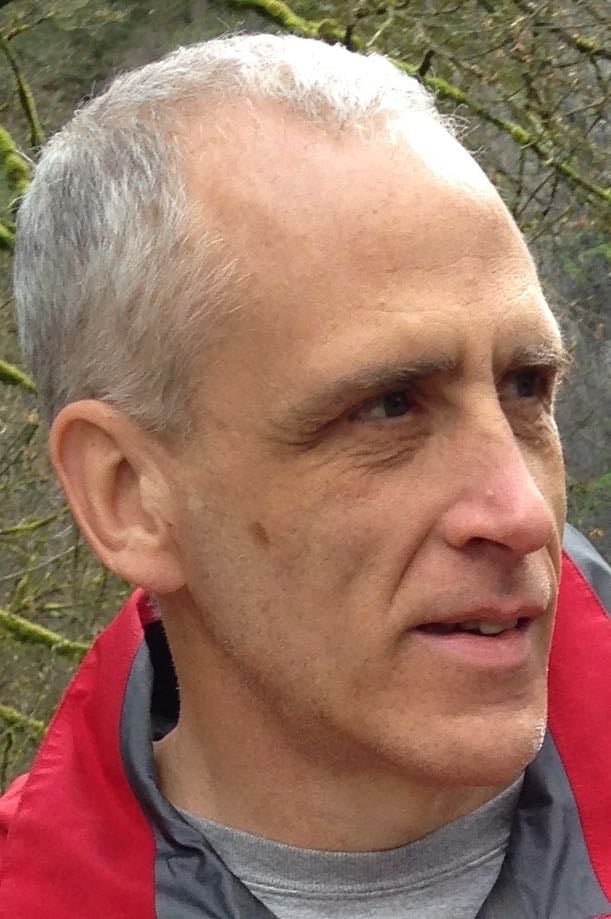
Dialogues with Madness: A therapist and educator specializing in cognitive therapy for psychosis, Ron Unger explores emerging understandings of psychosis and of efforts to change mental health treatment to support human rights and full recovery.

Samantha Lilly is a "global mental health" researcher and critical suicidologist. Previously a Thomas J. Watson Fellow, Sam is now pursuing a Fulbright research grant, conducting qualitative research on rights-based approaches to mental healthcare in Buenos Aires, Argentina.
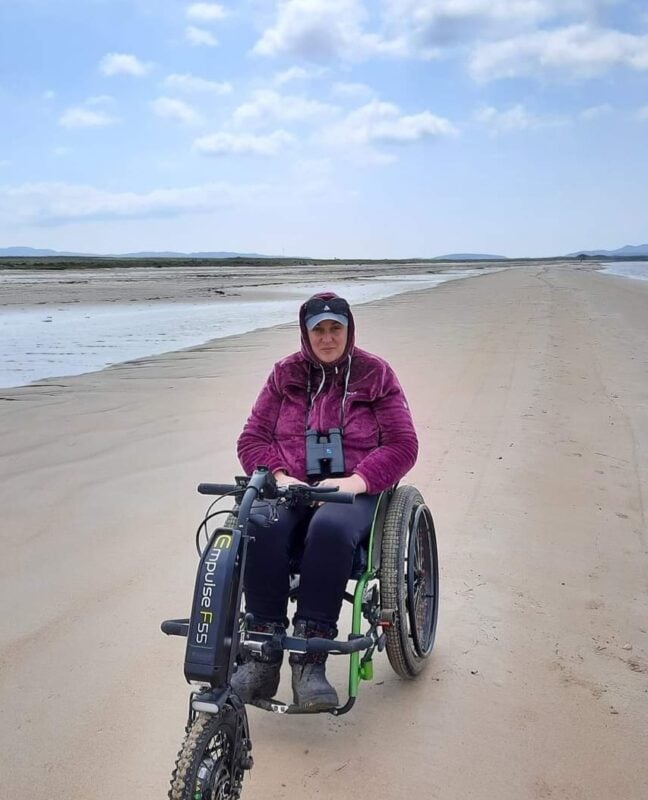
Disabled by a drug reaction in 2017, Samantha has worked in social care in the UK for the past 23 years. She has worked for the past seven years as a successful disability and social care advocate.
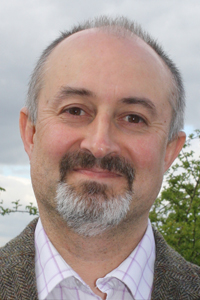
Dr. Sami Timimi is a child and adolescent psychiatrist, psychotherapist, and Fellow of the Royal College of Psychiatrists. His new book is Searching for Normal: A New Approach to Understanding Mental Health, Distress, and Neurodiversity (UK version and Canadian version).
Sarah Knutson is an ex-lawyer, ex-therapist, survivor-activist. She is an organizer/ blogger for Peerly Human (http://peerlyhuman.blogspot.com), and the Wellness & Recovery Human Rights Campaign. Sarah organizes free, peer-run, peer-funded opportunities for ordinary people to offer, receive, share and experience the radically transformative power of unconditional personhood and our own authentic, vulnerable humanity.
Sascha Altman DuBrul is the co-founder of The Icarus Project and is currently working closely with the Institute for the Development of Human Arts. His interests lie at the intersection of the public mental health system and the Mad Underground. He currently sees individual clients and can be reached at Transformative Mental Health Practices.

Advocacy to Action: Scott is Founder and Senior Partner of Spicer's Consulting, dedicated to improving health, one step at a time. He has worked in Supported Education, Supported Employment and clinical mental health. Scott has a Master's in Public Health with an emphasis on Global Health from Loma Linda University.
Tangible Intangibilities: Sera writes here to share her thoughts on how the language we choose and our apparent need to concretize the inherently complex is leading to violations of rights and humanity on a daily basis.
Sharna Olfman Ph.D. is Professor of Clinical and Developmental Psychology at Point Park University, Pittsburgh and a psychologist in private practice. Her latest book, The Science of Sanity, is under contract with Praeger Publishers. Dr. Olfman is editor/author of the Childhood in America book series which includes The Science and Pseudoscience of Children’s Mental Health (2015) and Drugging Our Children (coedited with Brent Robbins, 2012). Dr. Olfman has lectured internationally on the subjects of children’s mental health and parenting.

Steven Morgan is a trainer for Intentional Peer Support. Over the past decade, he’s worked various peer support roles in both traditional service agencies and peer-run settings. In Vermont, he was director of a peer-run community center, helped launch a peer-run respite house, and was project developer for Soteria-Vermont. On full moons, he enjoys writing, playing music, woodworking, and taking long long walks.
Shooting The Odds: Dr. Shipko is a psychiatrist in private practice in Pasadena, CA and author of Surviving Panic Disorder and Xanax Withdrawal. Drawn from his clinical experience, his blog concerns adverse effects of SSRI antidepressants, particularly withdrawal related effects.
Susan Musante, LPCC was the founding director of Soteria-Alaska and CHOICES, alternatives to conventional community mental health services directed and provided primarily by people who themselves have a “lived experience” with recovery. Currently she is involved in advocacy and development projects as a contracted consultant.

…Changing the Things I Can’t Accept: Active in the movement for social justice since 1984, Susan Rogers is inspired by Angela Davis’s response to the Serenity Prayer: “I am no longer accepting the things I cannot change. I’m changing the things I can’t accept.” She writes in hopes of speaking truth to power.

The Uncertain Real: Timothy Kelly is a doctoral student with interests in psychosocial approaches to, and the sociocultural contexts of, states often under the description of psychosis. He is a survivor of the juvenile justice system, foster care, public welfare, a state psychiatric institution, and is also a mental health services user.
Mad Law and Human Rights: An attorney and psychiatric survivor, Tina Minkowitz writes on the new perspectives in human rights law that emerged in the work done by users and survivors of psychiatry on the Convention on the Rights of Persons with Disabilities.

Tom Benjamin, PhD, is a psychologist in private practice in Australia, engaged in mental health professionals’ networks, expert witness and consumer consultation, and online professional development courses. He was a lecturer in mental health services and review board research officer.

Twilah Hiari is a recovering patient with a B.A. in Philosophy. She's the author of Regression, a memoir that chronicles her medically induced descent from undiagnosed Asperger's to lower-functioning autism. She's an impassioned medical freedom advocate who supports holistic, non-coercive recovery methods for neuroimmunological conditions such as autism, PANS/PANDAS, and autoimmune encephalitis.
The Psychopathology of American Life: A British physician explores how the concept of mental disorder has vastly expanded over the past century, reporting from the front lines of American psychiatry.
Trauma-informed Care Meets Pharma-informed Care: Social worker Wayne Munchel will focus on the intersection between trauma informed care/recovery models and biological psychiatry. Early intervention programs for psychosis will also be discussed.
Will Hall is a therapist, teacher, and schizophrenia diagnosis survivor. Host of Madness Radio and co-founder of Hearing Voices Network USA, Will trained in Open Dialogue at the Institute for Dialogic Practice and in Jungian psychology at the Process Work Institute. He is author of Outside Mental Health: Voices and Visions of Madness and the Harm Reduction Guide to Coming Off Psychiatric Medication and is a longtime organizer with the psychiatric survivor movement. A PhD Candidate at Maastricht University, Will is lead researcher on Maastricht University's antipsychotic withdrawal study.
Transformation Through Peer Respite: Yana is the Senior Program Officer with the Foundation for Excellence in Mental Health Care. She brings 30-plus years of experience working in the mainstream public mental health system, as a passionate and fierce ally and advocate for alternatives to mainstream mental health.

MIA Research News Team: Zenobia is a critical-liberation psychologist and psychology professor who received her doctorate from the University of Massachusetts Boston.
Foreign Correspondents

Troubling Mental Health Nurse Education: Alec is employed as Reader in Narrative Mental Health at the University of Brighton, UK. His main research and scholarly interests are in narrative inquiry in mental health and related issues, and in the demedicalization of human misery. For more information, click here.
Benzodiazapine Drugs: My Story of Survival: Barry Haslam, former chairman of Oldham Tranx, writes about his campaign in the UK and Europe over the last 28 years to highlight the dangers of prescribed benzodiazepine drug addiction, and his 25 years of work providing peer support to prescribed drug addicts.

Ben Furman is a Finnish psychiatrist, psychotherapist and internationally renowned teacher of the Solution-Focused approach to preventing and treating mental health problems in both children and adults. His numerous books have been translated into over 20 languages.

The Delusional Pharmacist: Bertel Rüdinger is a psychiatric survivor and the only clinical pharmacist in Denmark working with people in supported living. He focuses on empowering people to take control of their psychiatric medication, and if their goal is to reduce or taper off them, he supports them in that process.

Bhargavi Davar is a childhood survivor of psychiatric institutions in India, and has survived acute depression and trauma, healing through the use of arts-based, body-based, nutritional and other alternative approaches. She has published and co-edited several books, including Psychoanalysis as a Human Science, Mental Health of Indian Women, and Gendering Mental Health. She is an international trainer in the UNCRPD and founder of the Bapu Trust for Research on Mind & Discourse.
Nutrition and Mental Health: Bonnie has published on the biological basis of mental health – in particular, the contribution of nutrition to brain development and function, micronutrient treatments for mental disorders, and the effect of intrauterine nutrition on brain development and maternal mental health.
Ordinary Life Therapy: Carina Håkansson is founder of the Family Care Foundation and The Extended Therapy Room Foundation in Gothenburg, Sweden. She writes about psychiatry and societal treatment of children in foster care, and the ongoing challenges of helping people withdraw from psychiatric medication.
David Healy is a founder of Data Based Medicine and RxISK.org and has authored of over 240 peer reviewed articles, 300 other pieces, and 25 books. His main areas of research are adverse effects of treatment, clinical trials in psychopharmacology, the history of psychopharmacology, and the impact of both trials and psychotropic drugs on our culture.

Dr. Monasterio is a psychiatrist and senior lecturer at the Christchurch School of Medicine. His interests include off-label use of psych meds, metabolic complications, and cross-cultural psychiatry. He is concerned about overreliance on psych meds and their interference with adaptation and resilience.
Steps to a Post-Therapeutic Future: With a strong interest in how popular culture and psychiatry/psychotherapy reflexively influence one another, Eugene writes critically about aspects of the therapeutic era or therapeutic state in which we, (that is, those of us living in parts of the western first world), find ourselves.

Psychologist. Master in Psychology (PUC-RJ). Doctorate in Psychology from the Université Catholique de Louvain (Belgium). Professor and researcher of the Laboratory of Studies and Research in Mental Healthn (LAPS) / Department of Human Rights, Health and Diversity (DIHS) / ENSP-FIOCRUZ.
UK Critical Psychiatry Network. Retired Medical Psychiatrist and Associate Professor, University of Nottingham. Author of the recently published Toxic Interactions and the Social Geography of Psychosis. Reflections on the Epidemiology of Mental Disorder, which sets out these views in more detail. Proceeds go to the International Society for Psychological and Social Approaches to Psychosis.
Janet Currie is co-founder of the Psychiatric Awareness Medication Group, which provides information on the potential harms and effectiveness of psychiatric drugs, and advice on drug tapering. She also co-edits a blog on the safety and effectiveness of all prescription drugs for Pharmawatch Canada.
Jay Watts, DClinPsy (they/she), is a London-based consultant clinical psychologist, relational psychotherapist, and honorary senior research fellow. At their heart, Jay is a VAWG and psychiatric survivor with first-hand experience of coercive care who started out as a Lived Experience Practitioner back in the 1990s. As such, Jay is a passionate mental health and disability activist dedicated to rights-based approaches. You can find Jay on Twitter as @Shrink_at_Large.
The Recovering Psychiatrist: Jeremy is a British trained psychiatrist, working in the public sector in Finland. His primary workplace is within a psychosis rehabilitation clinic. He has become increasingly critical about the way psychiatry is practiced and taught globally. His special interests are in psychosis care, cultural psychiatry and medical education.
Dr. Moncrieff is a Senior Lecturer at University College London. She is one of the founders and co-chairperson of the Critical Psychiatry Network. She has written three books: The Bitterest Pills, The Myth of the Chemical Cure, and A Straight Talking Introduction to Psychiatric Drugs.

Dr John Read is Professor of Clinical Psychology at the University of East London. He has published multiple reviews of the ECT Research literature. John is Chair of the International Institute for Psychiatric Drug Withdrawal.

Healthy Skepticism: Jon Jureidini, a child psychiatrist in Australia, writes on the quality use of medicines, misleading drug promotion, suicide, medical education and child abuse.

Opening a Dialogue: Dr Jonny Martell, MBBS is a psychiatrist training in London. He's hanging on in there in spite of many of his worst expectations of the UK's mental health system being met. He hopes to find more rewarding ways of working in the Open Dialogue movement.
Nutrition and Mental Health: Julia's interest in nutrition and mental illness grew out of her own research showing poor outcomes for children with psychiatric illness despite conventional treatments. She has been investigating the role of micronutrients in mental illness.

Recovery for All: Karen Taylor, RMN has 16 years experience in the NHS in England. Based in Scotland, Karen is Co-director of Working to Recovery, Ltd alongside Ron Coleman. Karen and Ron are passionate that recovery is for all, and together they travel the world spreading a message based on hope.
Seeing the Positive in the Negative: Kjetil Mellingen is a clinical psychologist working in an anxiety and OCD clinic at the University of Oslo, Norway. He was previously an NIMH researcher of so-called schizophrenia, depression, alcoholism and psychopathy. He also blogs on his website, Psychology – Hope and Research.
Beyond Psychiatric Diagnosis: Lucy writes about replacing psychiatric diagnosis with a formulation-based approach that explores personal meaning within relational and social contexts, and she reflects on the challenges of working within biomedically-based services. See her book: A Straight Talking Guide to Psychiatric Diagnosis.
Imagine No Psychiatry: Human rights activist and writer campaigns to expose the truth about coercive psychiatry and its tortuous treatments such as electroshock and psychotropic drugs. In its place she advocates for a loving, peaceful society. Go to MindFreedom Ireland for more.
The Alchemy of Trauma: A wilderness guide, speaker and writer, Meaghan leads journeys of discovery through wild spaces and medical realms. She studied veterinary medicine, then completed a degree in Life Sciences with a capstone examining psychiatric drug use. Meaghan is a 47-time national champion and world record holder in the sport of inline speed skating. See more at www.meaghanbuisson.com.

Locomún is a group of people related to the mental health world, including people who have received a psychiatric diagnosis as well as committed professionals critical with the ways in which we address and understand psychological distress. We live in Spain. In October of 2016 we launched Mad in America for the Spanish-speaking world: “Mad in America Hispanohablante”.
Jock McLaren is an Australian psychiatrist who worked 25yrs in the remote north of the country. He occupies himself delving into the philosophical basis of psychiatry, only to find there isn't one. This has not helped his popularity with his colleagues, now well into negative territory.
Denmark: Voices From the Inside Out: Olga Runciman has worked as a psychiatric nurse and been a patient of the self-same system. She was told that she was an incurable case. She writes on the ethics of psychiatric practices and alternative ways to heal.
Rethinking Madness: With the rare perspective of someone who has experienced extreme states from both sides — as a psychologist/researcher and as someone with lived experience — Paris draws from multiple perspectives to explore what it means to be “mad” in a "mad" society.

Patrick Landman, MD, is a French psychiatrist, psychoanalyst, lawyer, and Chairman of STOP DSM. His interests include how institutions — such as Institutional Psychotherapy — can be helpful or harmful, the link between psychoanalysis and neuroscience, and the issue of diagnosis in psychiatry and in particular in ADHD.

Psychiatrist. Master in Social Medicine at the Social Medicine Institute of UERJ. PhD in Public Health, FIOCRUZ. Professor and researcher of the Laboratory of Studies and Research in Mental Health (LAPS) / Department of Human Rights, Health and Diversity (DIHS) / ENSP-FIOCRUZ. Specialization Course in Mental Health and Psychosocial Care and Education Course. Distance of Mental Health Policy and Institutional level of Improvement and Development. Honorary President of the Brazilian Association of Mental Healthn (ABRASME). Professor Honoris Causa from the Universidad Popular Madres de Plazande Mayo.

Speaking As A Survivor Researcher: Peter Beresford is Professor of Social Policy at Brunel University, London and Co-Chair of Shaping Our Lives.
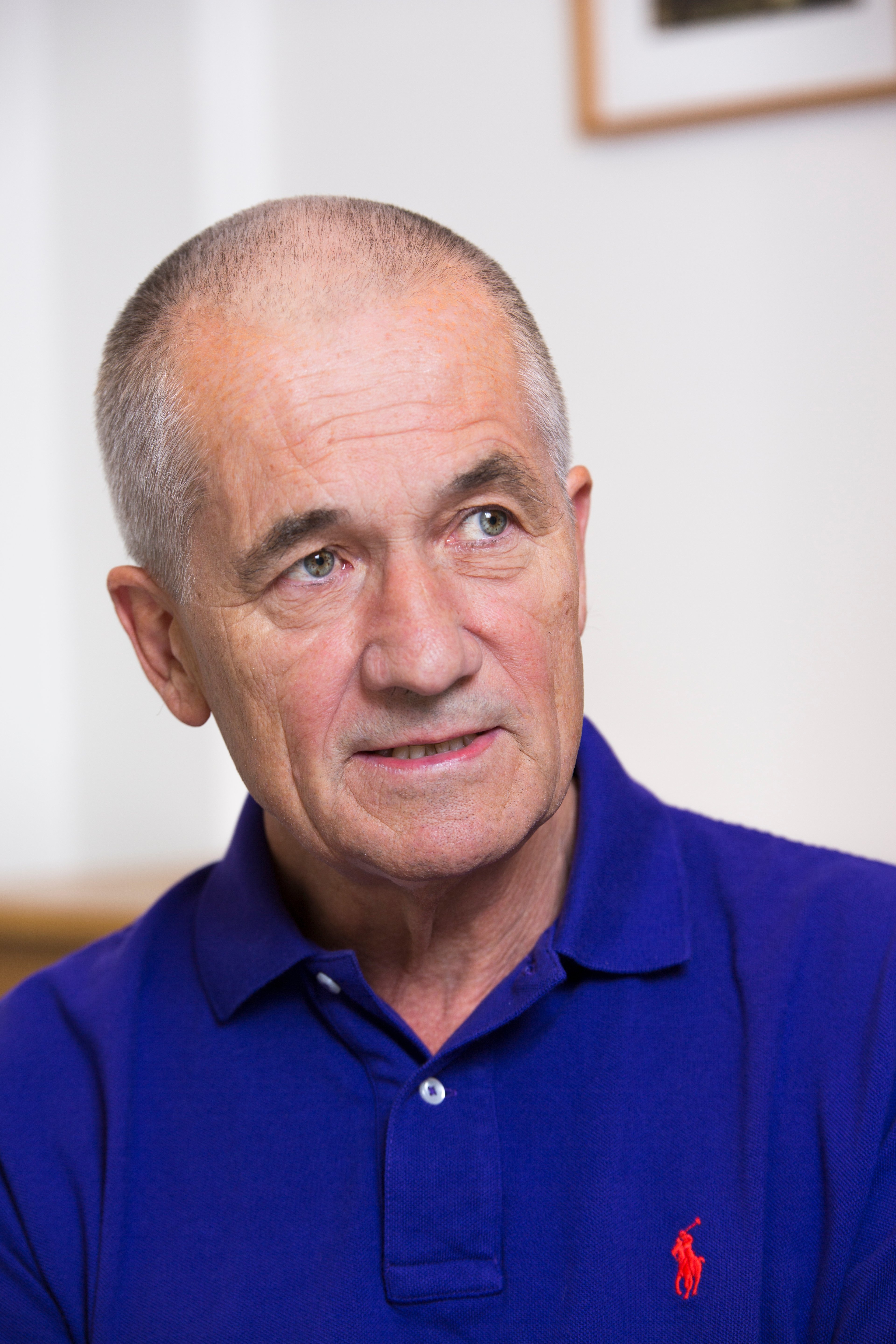
Peter C. Gøtzsche, MD has published more than 100 papers in the top five general medical journals and his scientific works have been cited over 150,000 times. He has published several books relevant to psychiatry, including Deadly Psychiatry and Organised Denial, Mental Health Survival Kit and Withdrawal from Psychiatric Drugs, and Critical Psychiatry Textbook. He is currently crowdfunding for his Institute for Scientific Freedom with the goal of preserving honesty and integrity in science.

Stop The Professional Monologue: Peter Lehmann, Honorary Doctor for "scientific and humanitarian contribution to the rights of the people with psychiatric experience," writes about coming off psychiatric drugs, suicidal effects of neuroleptics, and alternative approaches of humanistic antipsychiatry.
English Madness: Co-founder and former co-chair of the Critical Psychiatry Network, psychiatrist Philip Thomas writes of madness, meaning and culture.

Rachel Cooper is Senior Lecturer in Philosophy at Lancaster University, U.K. Her publications include Diagnosing the Diagnostic and Statistical Manual of Mental Disorders (Karnac, 2014), Psychiatry and the Philosophy of Science (Acumen, 2007) and Classifying Madness (Springer, 2005).

Director of Changeways Clinic and a practicing psychologist in Vancouver, Canada, Randy Paterson blogs about psychotherapy, mood disorders, mental health policy, and the disturbing gap between science and practice. He is author of The Assertiveness Workbook, Your Depression Map, and How to be Miserable: Forty Strategies You Already Use. Dr. Paterson's blogs also appear on his website, Psychology Salon.

Rev. Dr. Steven Epperson has been the Parish Minister of the Unitarian Church of Vancouver in British Columbia since 2002. Prior to entering professional ministry, he worked as a university professor in the history of religions, and as a museum curator. He’s married to Diana Girsdansky; they have four children and three grandchildren.

Psychiatry, Science & Values: Richard Bentall is Professor of Clinical Psychology at the University of Liverpool. His research interests include childhood trauma, psychosis and public mental health. Books include Doctoring the Mind: Is Our Current Treatment of Mental Illness Really Any Good? and Madness Explained: Psychosis and Human Nature. Twitter: @RichardBentall.
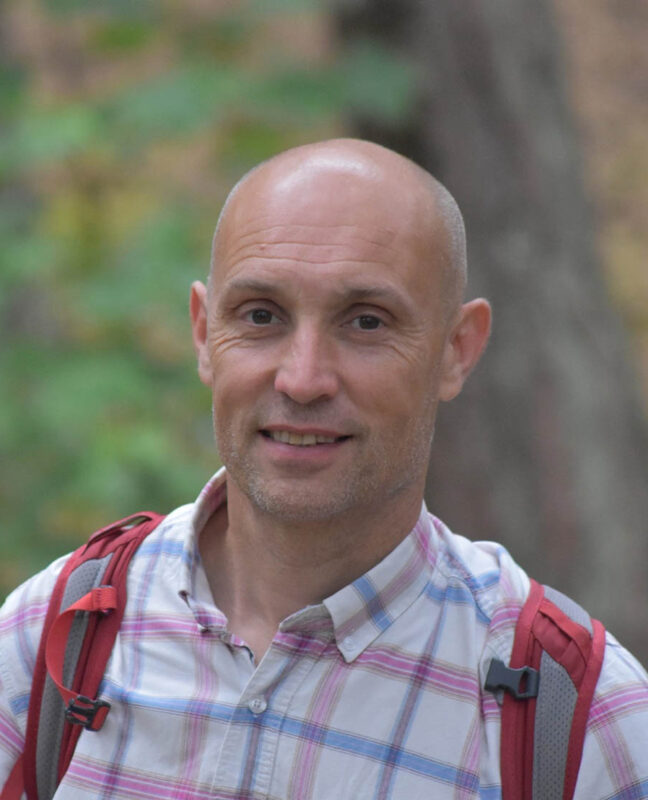
Rufus May works as a clinical psychologist in Manchester, England in the NHS managing psychologists working in in-patient mental health wards. Since 2001 he has worked closely with the hearing voices movement, he is interested in community development approaches, self-help and holistic health approaches. He is a co-creator of the website Openminded Online and a co-director of Let's Face Change.

Dr Sarah Carr is Senior Fellow in Mental Health Policy, University of Birmingham, UK. She was formerly Chair of the National Survivor User Network (NSUN), England.
Power and Alternatives: Tamasin is a public health doctor in England. She writes about power issues in the mental health system and alternatives to the medical model.
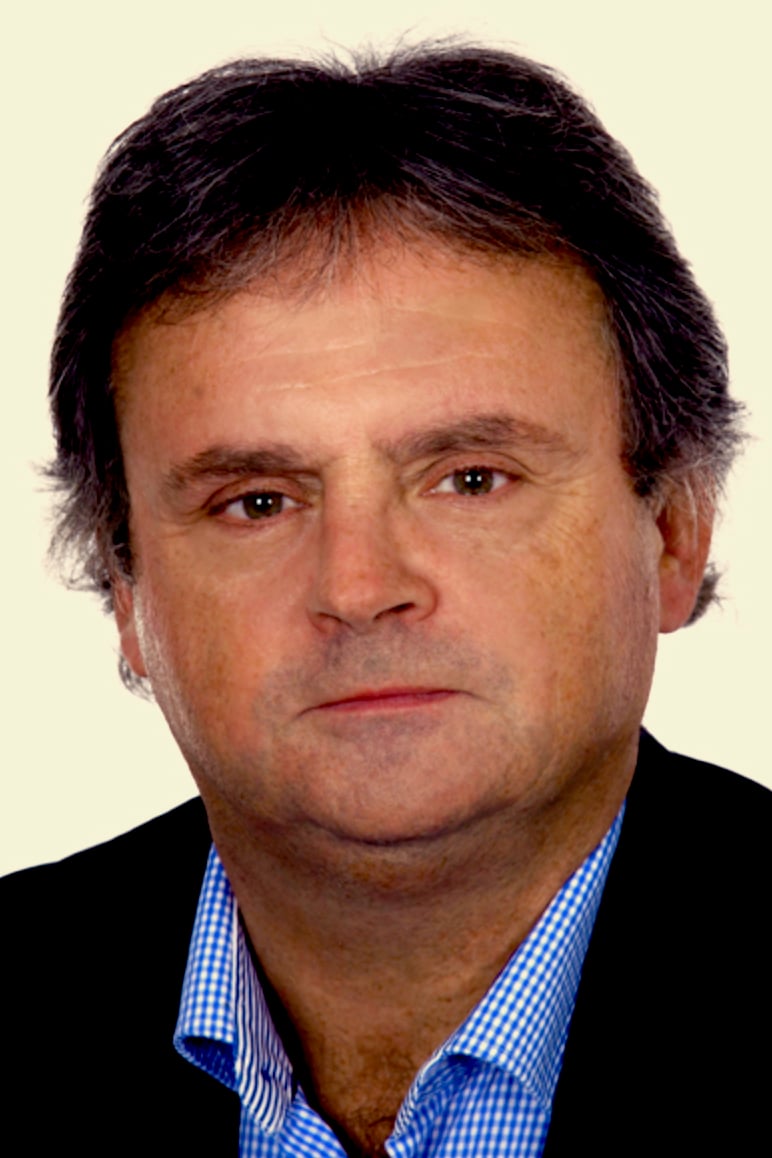
Dr. Terry Lynch is an Irish physician, psychotherapist, author, mental health educator and provider of a recovery-oriented mental health service. For nine years (2003-2012), he was a member of three Irish Government-appointed expert mental health groups. He is committed to the much-needed paradigm change in global mental health. Details of Terry’s mental health courses, books, blog and work available at his website, which is listed above.
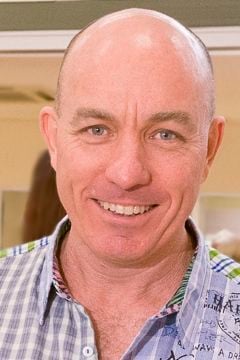
It's All About Control: The articles in this blog focus on the implications of the phenomenon of control for both practice and research. The centrality of control to people’s lives is explored, as well as the way in which psychological distress can be conceptualised from a control perspective.