A recent study evaluated the role of neighborhood stressors in the sleep quality of young Puerto Ricans, both in the New York diaspora and on the colonized island. Puerto Ricans face a myriad of stressors and are considered a minoritized group of people due to the disparities and inequalities they face at different levels.
The research, led by Rejane Saelee and colleagues at Columbia University, the New York State Psychiatric Institute, and the University of Puerto Rico Medical Campus, draws on more than two decades of data from the Boricua Youth Study. The authors found that exposure to neighborhood stressors—such as violence, drug activity, housing decay, and social disorder—predicted worse sleep quality in young adulthood. The effect was consistent across both sites. Neighborhood cohesion and perceived safety, on the other hand, were associated with better sleep quality.
“These findings suggest that policies to improve neighborhood conditions, especially in reducing neighborhood disorder, may be an effective point of intervention to improve sleep.”
The study highlights how sleep, which is often framed as an individual problem, is shaped by social, political, and environmental conditions. For Puerto Rican communities navigating structural precarity, the authors suggest that neighborhood conditions may be a critical yet overlooked determinant of long-term psychological well-being.
On the US-colonized island, Puerto Ricans face US-implemented austerity measures and do not have the same rights as other US citizens living in the 50 states and Washington, DC (e.g., not being able to vote for the president of the United States). These experiences of economic, social, and environmental marginalization impact the development and daily lives of Puerto Ricans.
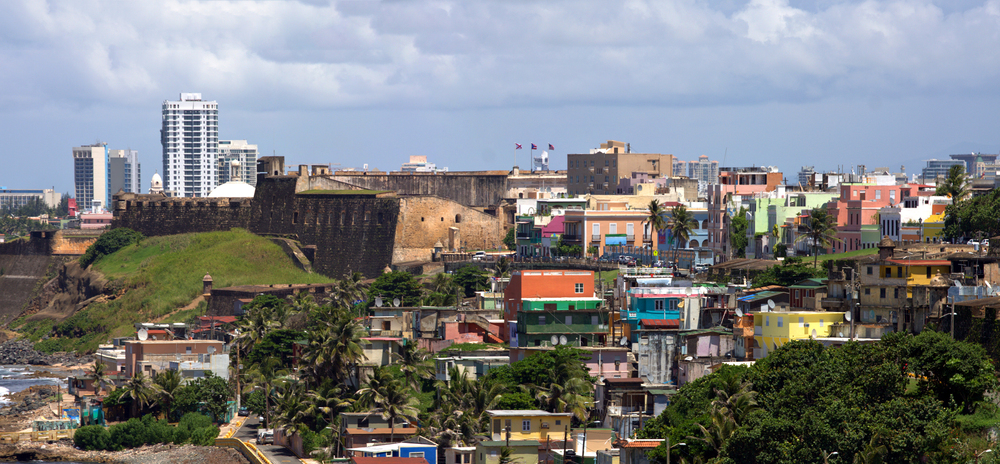
This recent study sought to investigate the role that neighborhood stressors, such as sexual assault, burglaries, house decay, and gang activities, play in the sleep quality and duration of Puerto Rican children as they develop into young adults. Neighborhood stressors evaluated also included racial tension, which is a persistent factor impacting Puerto Ricans in the diaspora, where they are often exposed to racial discrimination. Other neighborhood factors include substance use, safety, unemployment, and abandoned houses, among others. Moreover, they involve the role of neighborhood cohesion or the community’s opportunity to rely on each other for support, care, and safety.
Data for this study were obtained from the Boricua Youth Study, which has been collecting longitudinal data on “disruptive behaviors” from childhood to young adulthood among Puerto Ricans in two sociocultural contexts. The study is a collaboration between the New York State Psychiatric Institute and the University of Puerto Rico Medical Campus. They utilized a health assessment approach, with data collection beginning in 2000 and subsequent recapture at other time points. Because the study involved children and young adults, the neighborhood stressor data were reported by caregivers.
They found that neighborhood stressors had the highest impact on poor sleep quality, but neighborhood cohesion and safety had a high impact individually and in combination. This was the case for Puerto Ricans in both sociocultural contexts. Nonetheless, these factors did not impact sleep duration.
Exposure to neighborhood stressors appeared to cumulatively take a toll on children, resulting in poor sleep quality in young adulthood. The authors emphasize that both poor sleep quality and neighborhood stressors have previously been linked to an increase in psychological and physiological distress.
This study adds to the growing body of scholarship underscoring the need to evaluate how our social infrastructures influence psychological distress. Previous research has looked into how factors such as exclusion and segregation increase the likelihood of experiencing psychosis. In general, living in disadvantaged neighborhoods has been linked to poorer mental health. Placing these factors in the sociocultural context of Puerto Rico, a recent national study found that on the island, more than 56% of children live in poverty. Moreover, poor urban planning, including the excessive use of artificial lights in our neighborhoods, has been found to lead to poor-quality sleep and, in turn, to suicidality.
The neighborhoods where we live nourish or impoverish our emotional well-being. For example, neighborhoods with green spaces are linked to positive emotional outcomes. Moreover, as artificial light pollution has been found to be detrimental to our emotional well-being, spending time in natural darkness is emotionally restorative.
The study contributes to a growing critique of biomedical models that locate mental-health problems within individual bodies while leaving structural determinants unexamined. Sleep research often centers on behavioral interventions—such as sleep hygiene, cognitive strategies, and personal lifestyle changes—but these strategies assume people have control over their physical environment.
For communities facing long histories of structural marginalization, improving sleep may depend less on individual behavioral strategies and more on collective efforts to strengthen neighborhoods, repair public infrastructure, and address the political and economic forces that shape daily life.
****
Saelee, R., April-Sanders, A. K., Bird, H. R., Canino, G. J., Duarte, C. S., Lugo-Candelas, C., & Suglia, S. F. (2024). Self-reported neighborhood stressors and sleep quality among Puerto Rican young adults. Sleep Health, 10(3), 295–301. https://doi.org/10.1016/j.sleh.2024.01.002 (Link)