They arrive—amidst airline strikes, taxi strikes, train strikes, airport closures, heavy luggage woes, and all the other obstacles that make traveling a challenge—in Lillehammer, Norway.
It doesn’t elude me that the small Norwegian town that hosted the big Olympics welcomes this group. They arrive ready to win, too. Their whole lives are about fighting to win—winning back lives and winning back the truth. This is a celebration, not of a finished goal—their work will be forever—but of notches in belts and the realization that they are not alone in this battle. They come mad, from every country, their own Olympics, to change the practices of antiquated psychiatry and views on mental illness and over-medication of those deemed mentally ill.
As an American, Lillehammer is synonymous with Tonya Harding and Nancy Kerrigan. As a human, madness is synonymous with King Lear, the Mad Hatter, the Joker, and Charles Manson. The consequence of the caricature. The evil of an individual. Contention rules our definition of things we don’t know. And things that scare us are “othered.” We wait hopefully for them to be tempered and extinguished. They are systematically silenced through practice and language.
Foucault says language is not a neutral tool. It is the means through which power shapes how we think and act, and even what we can know. It’s a device for social control, a way of staunching the free flow of meaning. There is no outside of language. So one must fight to take back the control, the “authorship” of the language that defines and binds them.
I close my mouth and beg my mind to prepare me anew, a blank slate. I listen for the language reclaimed, honored to be in Lillehammer, Norway, at this Mad in Norway International Film Festival: Rethinking Mental Health.
The Lillehammer Cinema sits at the intersection of Stortorget and Kirkegata, nestled fortuitously between the Lillehammer Kunstmuseum and the bibliotek. A few steps down the sidewalk stands the famous Birkebeiner sculpture (King Hakon IV as a baby, carried to safety in the arms of a hero on skis and later associated with strengthening Norway), proudly welcoming visitors to the city.
The mild hubbub of anticipation bounces off the walls as I enter to get my badge. Three days of films on the experience of madness from those with lived experience, struggling to find their way in a world that deems them worthy only of being highly medicated and silent. Three days of films by those working alongside them in the trenches, fighting to change how madness is defined and treated.
The winding stairs of the cinema lead to a Willy Wonka lobby. The brightness of hard candy, soft candies, loose candies, bagged candies, and popcorn (with bacon!) mimics the diversity of the people milling about. With first-day inhibitions and nervous newness, we enter for the opening ceremony.
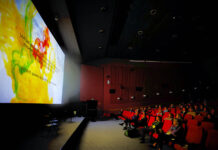
We sit in the red comfortable chairs of the massive cinema, leaving space between us, quietly focused and reverent. The opening ceremony asks us to reconsider what we think we know. The Mad in Norway leaders remind us that “voices that don’t shy away from difficult truths are how a system changes.”
This is not anger or clinical discussion. The speakers remind us that the best medicine for humanity is another human being.
We are comfortable and safe in these seats, but I get goosebumps. This is a call to arms of a sort. Representatives from the Norwegian Parliament and the UN rise to remind us how important the arts are to mental health awareness, revealing reality in its grimness and inspiration. They thank the filmmakers for giving visibility to “eyes too often hidden.”
Visibility is the first goal. Decades ago, researchers claimed to have discovered the molecules that caused mental imbalances: depression and psychosis. They deemed their 2nd-generation drugs a cure-all and a win for medical progress. Medical institutions bought this unproven data hook, line, and sinker, and they were off to the races. Until observant journalists and psychiatrists started to notice a disturbing trend: the number of people with “mental illnesses” started increasing. The number of people on disability skyrocketed from 1.2 million to 4 million. The drugs were causing more problems in the long run.
Viewed together, these films covered remarkable ground, moving across countries, treatment models, and deeply personal experiences while returning again and again to the same questions: If this data was wrong, what does healing look like? Who gets to define it? And what happens when we begin listening to the people who have actually lived through psychiatric crisis?
Every film at the festival embraces these questions in its own way.
Just to name a few:
Emotional CPR Awakens Our Hearts introduces the work of Dr. Daniel B. Fisher and a movement grounded in lived experience, one that challenges the dominance of the psychiatric and pharmaceutical industries and asks us to put human connection back at the center of healing.
From there, Report From Medication Free Unit Tromsø takes us inside a Norwegian medication-free psychiatric unit fighting to remain available to patients who want the option of healing without psychiatric medication.
Inner Fire, set in Vermont, offers another model: a community where people are given the time and support they need to end what may be decades-long relationships with psychiatric drugs and slowly rediscover how to work, play, create, and live again.
Other films brought us intimately into individual lives. The Canadian documentary Drunk on Too Much Life follows Corina as she finds her way through art and music toward an understanding of her madness not simply as an illness, but as a fierce and powerful part of what makes her fully human. In the German film Being in a Film, Ingrid carries painful memories of forced hospitalization into a life beyond diagnostic labels, opening a larger conversation about trauma and the ways it affects us all.
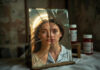
And then there was anger. The Pill That Steals Lives, from the UK, follows Katinka Blackford Newman after antidepressant treatment spirals into psychosis and a chance insurance mishap abruptly interrupts her medications. The film recounts her subsequent recovery and her determination to raise awareness about what she sees as the dangers of psychotropic drugs—an experience that nearly cost her her children and derailed her life.
And I’ll never forget dancing in pure bliss in the theater aisles at 12 pm with festival-goers from all walks of life and corners of the globe, some still acquaintances and others new friends, to the music and actors of The Dance Club (Sweden). We left that room and walked back to our hotels with the reckless abandonment of who we were told to be.
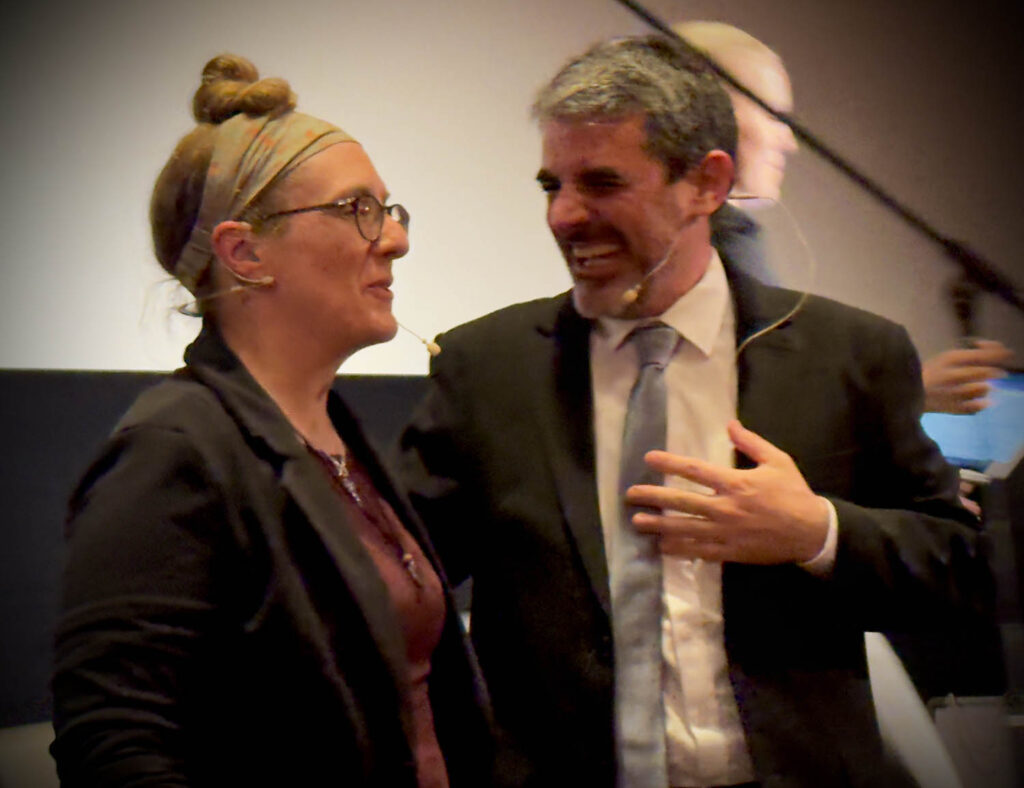
The last night of the festival offered up a music and poetry open mic. We cried when the hosts, Karin Jervert (US) and Alan Robinson (Argentina), read poignant poetry about their lived experiences, and Jo Watson (UK) regaled us with poetry that urged us to act. We were blessed with Norwegian musicians like Dag Leonardsen, Emmanuel Manulov, Bjarne Øvrelid, Wenche Bruun Lien, and Kjellaug Gjestrum, who performed heartfelt songs on keyboards, guitars, and a flugelhorn.
We watched an art show in cinema 3 in awe—over 60 artists of all ages and all mediums, showcasing the art that saved their lives.
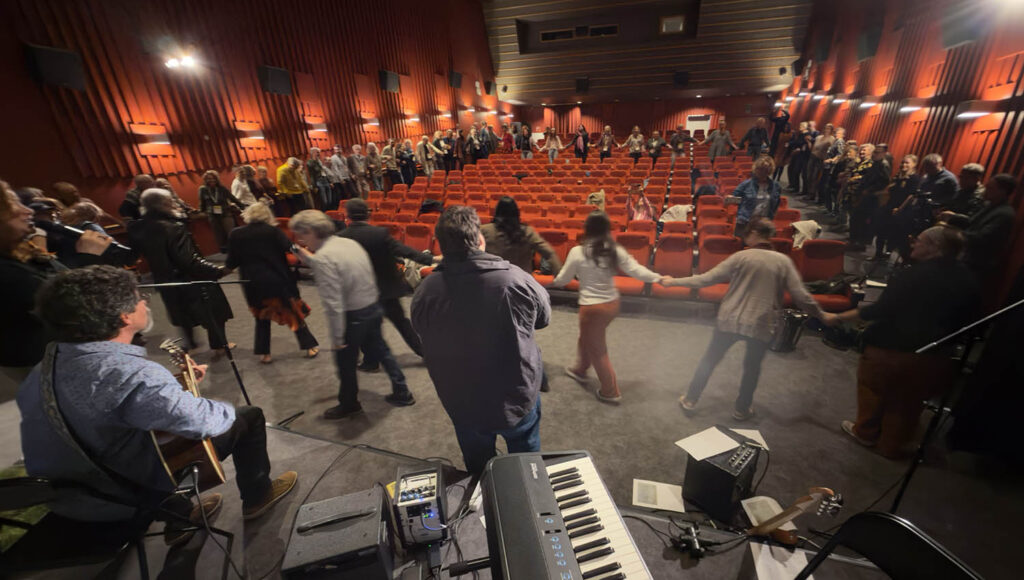
I’ll never forget holding hands and circling the huge theater in dance and reverie when Mad in Brazil and the Coral Cenico Cidados Cantantes (creators of the documentary The Creative Humanities Score) not only sang for us but pulled everyone in that theater into a group dance. We held hands and circled the theater in an almost phoenix-rising moment of clarity that takes this fight into a larger arena. We must do better.
And over dinners we promised to do so. I listened in amazement as women and men, people with lived experience and psychiatrists, activists and artists, exchanged ideas across languages and perspectives. Stories were shared about the paths that had brought each of us here. Speeches were made, wine glasses clinked, and toasts raised to the unlikely fact that, by so many different roads, we had all arrived here together—on the road toward healing.
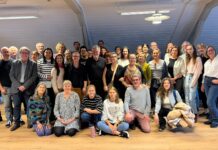
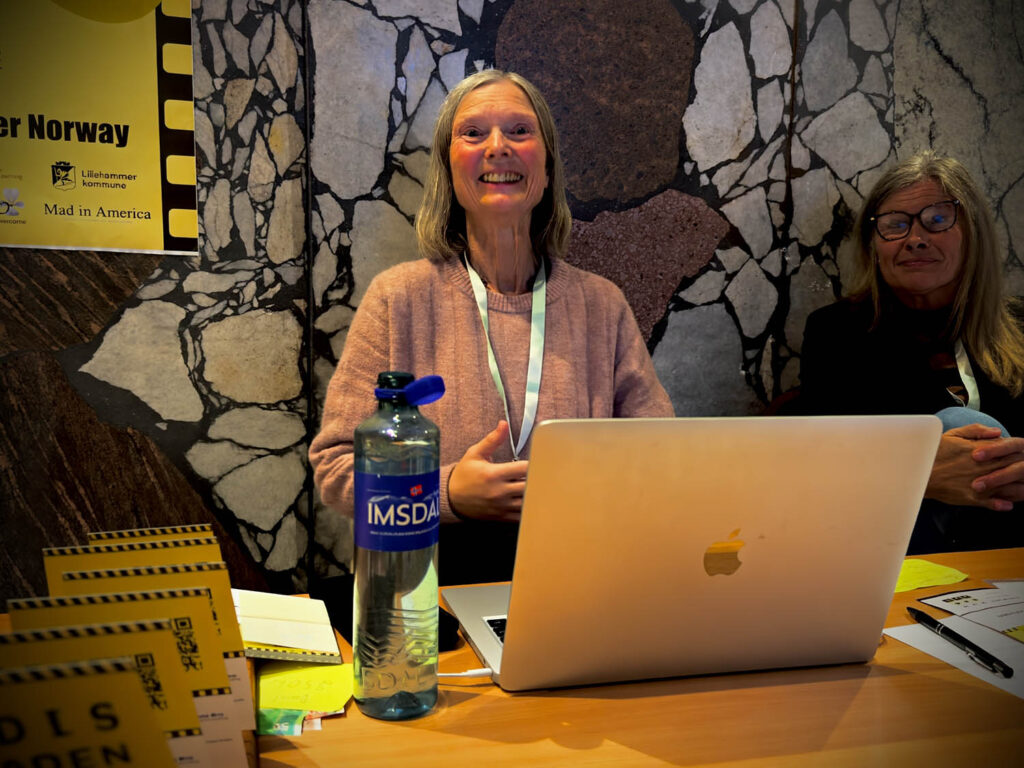
After three days and 33 films, 208 participants sat close in the red chairs, elbow to elbow, smiling hei hei—that wonderfully warm Norwegian greeting—after days of shared meals and collective digestion of the material we had witnessed together. The hubbub rose from hushed conversation to raucous laughter.
The fight continues: resisting compulsory mental health directives, fighting the closure of medication-free units, challenging those still steeped in old rhetoric to recognize that there is another, healthier way—and continuing the fight even when the money flows in the opposite direction.
This was a weekend of movies, art, conversation, and camaraderie. But more than that, it was an infusion of strength—something every one of these people needs as they return to their work. Something every new mind needs as they enter the fight.
Changing the status quo and making the world aware that change is needed is difficult, and often exhausting work. It is the work of saints. It is the work of survival.
Thanks to Mad in America, Mad in the World, and this amazing Mad in Norway International Film Festival, I stand now, informed, humbled, and honored to be an ally in this fight.