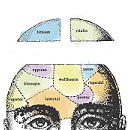

Critical Psychiatry Textbook, Chapter 10: Anxiety Disorders
Peter Gøtzsche discusses psychotherapy versus drugs as the preferred treatment for anxiety, panic attacks, and OCD.

Good Damage: How Community-Led Healing Challenges the Campus Mental Health System
Being re-grounded in my community reminds me that mourning and love are inseparable, and that “nothing about us, is for us, without us.”
The Media’s False Narrative About Depression Pills, Suicides, and Saving Lives
When the media tell of a serious harm of a psychiatric drug, they follow a standard script, including that they must also praise the drug.

Paying Attention to ADHD Prescriptions in Your Community
A national study showed that ADHD drug abuse among U.S. high and middle school students has been rising for the past 20 years.

Critical Psychiatry Textbook, Chapter 9: ADHD (Part Three)
ADHD is a disaster area, in terms of the diagnosis, clinical research, and the harms inflicted on hundreds of millions of healthy people.
Healing From Psychiatric Drug Harm, Part 1: First Steps
I needed to teach my nervous system, via different types of neuromuscular reeducation, that it was safe to move again. Before I could walk, I had to crawl, literally.

Critical Psychiatry Textbook, Chapter 9: ADHD (Part Two)
Peter Gøtzsche discusses the results of the MTA study on ADHD drugs and the misleading statements textbooks make about ADHD treatment.

Fighting Outpatient Commitment in Massachusetts
Massachusetts politicians are pushing for a law to increase involuntary treatment. This law will be far harder to get rid of once it’s on the books than it’s been to keep it from getting there.

How to Advocate Effectively for Loved Ones Harmed by Psychiatric Drugs
An advocate in the psychiatric realm is a key witness for the patient and his or her experience, and carries a weight that the doctor cannot easily ignore.

Critical Psychiatry Textbook, Chapter 9: ADHD (Part One)
Peter Gøtzsche discusses the broadening of ADHD diagnostic criteria and the misleading and biased stimulant drug trials.

Driving Our Children into Suicide with Escitalopram and Other Happy Pills
The Lexapro study is marketing dressed up as science. It represents a flagrant abuse of ethics, deceiving readers at the cost of children's lives.

Everyone’s Afraid of an Angry Woman: Honoring Sinéad O’Connor
In her tragic passing, I choose to honor her by raising up these words she said, by hearing and believing them.

Critical Psychiatry Textbook, Chapter 8: Depression and Mania (Affective Disorders) (Part Fourteen)
Peter Gøtzsche covers depression pills in pregnancy, as well as psychotherapy and psycho-education.

The Clinical Uses of Stoic Acceptance
Nothing matters more than cultivating the most loving bond possible with those we love. How can stoicism help?
How Does Untreated “Burnout” Manifest?
As I look back, I instinctively knew that I needed some type of "break" from my life. That came a few months early in a very different way than I was planning.

Critical Psychiatry Textbook, Chapter 8: Depression and Mania (Affective Disorders) (Part Thirteen)
Peter Gøtzsche discusses how network meta-analyses spin the data on antidepressants, especially when financed by pharma.

ChatGPT Changes Its Mind: Maybe Antidepressants Do More Harm Than Good
This week, I wanted to see what ChatGPT would have to say about the long-term impact of antidepressants and about the STAR*D study.

“Borderline Personality Disorder” and Survivor Injustice
A common critique of the borderline personality disorder diagnosis is its complicity in oppressing abuse survivors.

Critical Psychiatry Textbook, Chapter 8: Depression and Mania (Affective Disorders) (Part Twelve)
Peter Gøtzsche discusses that depression pills increase mortality, and that psychiatry mistakes withdrawal effects for relapse.

My Sister Lucy’s Death and Life: Picturing an Alternate Timeline of Recovery
I’ll never forget standing beside my sister Lucy as she was strapped to a gurney during a midnight admission to an E.R. in Cambridge, Mass.

Akathisia and Prescribed Harm as Traumatic Chemical Brain Injury (TCBI)
I stopped thinking of akathisia in terms of the disease model and instead began thinking of it as an injury. Akathisia is not the car crash; it is a result of the car crash.

Can ChatGPT Defend the Long-term Use of Antipsychotics?
ChatGPT has perfectly captured the pattern of psychiatry’s response to the research that tells of harm done.

Critical Psychiatry Textbook, Chapter 8: Depression and Mania (Affective Disorders) (Part Eleven)
Peter Gøtzsche discusses the harmful effects of lithium and anti-epileptic drugs used for bipolar disorder.

Psychiatry Killed Tuva Andersson, Whose Problem Was Anxiety
During the last year of Tuva’s life, her psychiatrists took away her hope of ever leaving psychiatry and becoming better.

What Does ChatGPT Say About MIA?
I imagine that I am like many people when it comes to AI, which is that I don’t really know what to make of it. My first request was “write an essay about the Mad in America website.”