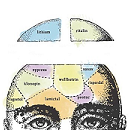
I am very sad to share that Brent Dean Robbins died on April 28, 2026.
Brent was a major figure in humanistic psychology and one of the field’s clearest voices against the DSM’s narrowing of human suffering and the over-medication of distress.

Across his work, he pushed psychology to take seriously the dignity of persons. He did this intellectually by advancing an alternative philosophical foundation for psychology. He also did this very practically by creating the APA-accredited PsyD program in clinical psychology at Point Park University, with its distinctive focus on humanistic and community psychology.
This work can be seen in his 2018 book, The Medicalized Body and Anesthetic Culture: The Cadaver, The Memorial Body, and The Recovery of Lived Experience, as well as in his co-edited volume, Drugging Our Children: How Profiteers Are Pushing Antipsychotics on Our Youngest, and What We Can Do to Stop It.
Brent was my own mentor, and became a longtime friend and colleague. He first introduced me to Robert Whitaker and Mad in America, and in many ways opened a path for my own work here. Brent was also a longtime proponent of MIA. After he first received his cancer diagnosis, he joined us for a long conversation about love, loss, and the future of psychology.
That interview can be read here: “All Real Living Is Meeting”: An Interview with Brent Robbins on Love, Loss, and the Future of Psychology.
In his obituary, Brent listed Mad in America as one of the organizations people may support in his honor. You can read the obituary here: Brent Dean Robbins obituary.
Brent leaves behind a beautiful and loving family, and a community of students, friends, colleagues, and loved ones who will miss him terribly.










Justin I am so sorry for your loss of mentor. Perhaps what we need is a space where all the folks that have tried to reverse the now if now can be honored and remembered. This could cover all voices within the vast world of MIA. We do not have to agree on everything it just helps to know and honor in particular different acts both small and large that help change now. That might be a way to honor him. Sometimes it’s the obits where aha movements take place. My sympathy to his family and peers.
Report comment
Honestly, I believe if psychology is to survive, they need to divide themselves from the iatrogenic illness creators of psychiatry. My condolences to you and Brent’s family on your loss, Justin. And as an artist myself, I appreciate that MiA respects the artists, all should, IMHO … especially since the mental health professionals do not.
Report comment