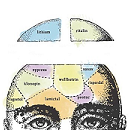

When Medical Science Refuses to Correct Itself
Science is supposed to be self-correcting. But what happens when the journals entrusted to uphold this principle become its gatekeepers?

Antidepressants Linked to Suicide Risk, Irregular Heartbeat, and Sudden Death
This week Mad in America examines three studies related to adverse effects of antidepressants. The first study finds that antidepressant use is linked to...
Questioning the Prescription: Antidepressants and the Medicalization of Childhood
This week Mad in America explores four recently published articles related to antidepressant use in children and adolescents. The first reports that although clinical...

Weekly Research Digest: Psych Drugs Linked to Poor Heart Health and Gastrointestinal Bleeding
This week Mad in America examines studies related to adverse events associated with antipsychotics and antidepressants, including two studies that found increased risk of...
Weekly Research Digest: Bullying, Social Media, and SSRI’s Link to Suicide
This week, Mad in America examines research around increased suicide risk in children and adolescents related to bullying in high-school and the use of...
Weekly Research Digest: Bad Research, Unsupported Beliefs, and Sleep Apnea
This week, Mad in America examines recent antidepressant research questioning withdrawal severity, a study of unsupported biological beliefs about mental "illness," and research linking...
Antidepressant “Maintenance Treatment” Not Required: Slow Tapering with Support Works
Questions remain about best practices for discontinuation strategies, and the distinction between relapse and withdrawal was not defined.

Easier to Refill Than Review: Antidepressant Prescribing in Primary Care
Researchers found that for many doctors, renewing antidepressant prescriptions feels safer and faster than helping people taper, and that most current interventions fail to address the pressures driving that choice.

“Medicine Is Awesome” Mentality Fueling Harmful Antidepressant Use, Say Experts
The authors call for a paradigm shift in mental health care that emphasizes empathy, context, and alternatives to medication as first-line treatments for depression.

German GPs Say They Need More Support to Help Patients Stop Antidepressants
New research from Germany shows how guidelines, system pressures, and lack of collaboration limit deprescribing.

No Subgroup of Patients for Whom Antidepressants Are Effective
A reanalysis of STAR*D finds no support for the theorized subgroup of patients who do well on antidepressants.

Not Even the Unborn Are Safe from Psychiatric Harm
Medical organizations and the media dismiss the experts and the large body of research telling of fetal harm from exposure to SSRIs during pregnancy.

Researchers: “We Do Not Suggest” Antipsychotics for Depression
Augmenting with antipsychotics was no better at reducing suicide than adding antidepressants, but led to increased risk of death from other causes.
Exposure to Antidepressants in the Womb Makes for Sad, Scared Adolescents
SSRI exposure in utero “alters the offspring’s brain structure,” causing a hyperactive amygdala and fear circuits, leading to anxiety and depression.
Antidepressant Withdrawal Is Common and Debilitating
Those using antidepressants long-term were more likely to experience withdrawal and to have severe withdrawal symptoms.
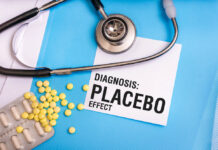
More Evidence That Antidepressants Work Via Placebo Effect
Antidepressants were more effective for depressed patients who were more “optimistic.” Still, only 30% responded to SSRIs.
Half of Those Who Take Antidepressants Are Labeled “Treatment Resistant”
Millions of people are trying multiple antidepressant drugs without success, and psychiatry labels them “treatment resistant.”

Antidepressant Trials Last Eight Weeks, So Why Do We Take Them for Years?
The studies are of short duration and are riddled with methodological issues like unblinding and failure to assess withdrawal.

Animal Study: SSRI Neurotoxic in Pregnancy
Researchers: Fetal exposure to vilazodone hampers neurodevelopment and leads to "long-lasting neurodevelopmental impairments."

Antidepressants in Dementia Patients Increase Risk of Death and Fractures
A large-scale study reveals that antidepressant use is linked to faster cognitive decline in dementia patients, raising concerns about their widespread prescription.
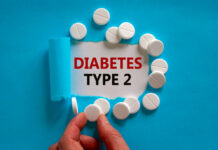
New Study Links Antidepressants to Increased Risk of Diabetes
Using genetic analysis, a new study finds that antidepressants—not depression—are responsible for a significant rise in type 2 diabetes risk.

Are Antidepressants Weakening Women’s Bones?
A study spanning two decades finds that antidepressant use is associated with a 44% increase in osteoporosis risk and a 62% higher chance of fractures.

Antidepressant Withdrawal Symptoms Linked to Life-Altering Consequences, New Study Shows
A new study reveals that withdrawal symptoms from antidepressants can last years, disrupting lives and relationships.

Summing up the STAR*D Scandal: The Public was Betrayed, Millions were Harmed, and the...
American psychiatry, the NIMH, the larger medical community, and mainstream media have betrayed the American public by failing to make this scandal known.

Withdrawal Symptoms Common for Those who Stop Taking Antidepressants
A new study, published in Molecular Psychiatry, investigates the prevalence and typical characteristics of antidepressant withdrawal syndrome (AWS) through analyzing available research. Researchers found...