
New Evidence in Support of Tapering Protocols for First-Episode Psychosis
The study shows that tapering can be successfully and relatively safely done by most people after first-episode psychosis.

Remembering Steven Morgan
Steven Morgan, who was well known for his activist efforts in challenging conventional psychiatry, which included writing for Mad in America, recently passed away,...

Psychiatrists Do Not Apologize
From the ages of 16 to 20, I was tortured by American psychiatrists who suffered under the delusion that homosexuality was a mental illness.

Special Issue: Class and Psychoanalysis
A wide-ranging, interdisciplinary exploration of class and labor in psychoanalytic thinking and the psychoanalytic professional field.

The List: Flashbacks and Failures
I wonder if the version of me from 2017 just wants to be heard, understood, validated and integrated. Sometimes she knocks quietly, other times she rages.

When the Family Is the Patient
The child is reacting to a dysfunctional family dynamic, often unconsciously asking for help for their family.
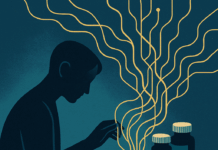
“The Stuff of Demonic Nightmares”: People Describe Withdrawal from Psychiatric Drugs
A new study in Health Expectations led by Trinity College Dublin researchers finds that people withdrawing from psychiatric medications often endure severe symptoms, limited clinical support, and widespread uncertainty about how to taper safely.

A Hospital Surgeon Falls Victim to Psychiatry
I had been a prestigious obstetrician and gynaecologist for 22 years. Then my world started to collapse, and I made an appointment with a psychiatrist.

How Chatbots Deepen the Mental Health Crisis
All chatbot therapy delivers is a feedback loop where the simulated solution deepens the real-world problem.

Psychiatric Drugs: The Real World is Where the Harms Live
Joining us for a roundtable discussion are Brooke Siem, David Antonuccio, Kim Witzak, Angie Peacock and David Healy. They discuss the challenges of openly discussing psychiatric drug withdrawal, the meaning of informed consent, getting doctors to acknowledge medication-induced harm and much more.

Eating Disorders: Where Madness Meets Medicalization
While there is overwhelming focus on the psychological side of ED healthcare, there is still an enormous gap in the physical side of it.

The Unspoken Lexicon of Healing: When My Symptoms Became Stories
Longing is not something to medicate; it’s proof of what we’ve loved.

Interview with Jessica Fairfax Hirst: The Withdrawal First Aid Kit
A conversation with artist Jessica Fairfax Hirst about the process behind her "Withdrawal First Aid Kit" art installation.

The Healing Powers of Nature
For folks who struggle to fully trust, or attach, to a therapist, forming an attachment with nature can be revelatory.

How Radical Activism Transformed Mental Health in Brazil
Anti-asylum movement in Brazil led to creation of a national network of community centers, which stands in contrast to the failed mental health system in the United States.

Reclaiming Myself After Lexapro
For far too many people, psychiatric drugs have become the casual default answer rather than the last resort.

Lemmings Don’t; Humans Do
Being depressed is not your fault, but part of buying into an insane society. You do not have a “chemical imbalance” but are responding to your world.

My PTSD Is Mine Only
Trauma doesn’t submit to categories. It doesn’t fit criteria. It is wild. It is intimate. It is always, always personal.

DSM: Improve, Trash, Replace, or None of the Above?
Most clinicians are well aware that many diagnoses are vague, not specific, and don’t point to a treatment that works.

Medical Organizations Turn Blind Eye to Harms of Maternal Antidepressant Use: A Conversation With...
Adam Urato and Joanna Moncrieff join Robert Whitaker on the Mad in America podcast to discuss the risks posed by maternal use of antidepressants.

An Open Letter to Those I Love Whose Neurotypical Privilege Keeps Them from Seeing...
The next time you see someone who is unhoused, have some compassion.

A Call for Evidence-Based, Fear-Free Practice
It is right to criticize MAHA, but poorly researched, fear-based responses by mainstream psychiatry only further mislead the public.

Sweltering in My Own Sour Breath
All I could feel was nightmares budding and leafing darkly from my nerve endings, swinging and rustling in the black air of my grief.

“How Are You?” The Strangest Question to ask in a Psychiatric Hospital
Inside a psychiatric hospital, the social script doesn’t fit the situation. The location itself undermines the premise.

Peer Advocates Who Made Things Happen in Oregon
We must keep the histories of peer advocates alive, lest they be forgotten for their part in making the recovery model a vision for system change.