
A new article published in Health Expectations finds that people withdrawing from psychiatric drugs often experience difficult withdrawal symptoms, a lack of support, trouble finding tapering resources, anger, frustration, loneliness, and hopelessness.
In the current work, led by Miriam Boland of Trinity College Dublin, participants also outlined several areas for improvement around reducing and stopping psychiatric drugs, including: increased access to tapering resources and support, increased oversight of the pharmaceutical industry, increased accountability and better training for healthcare professionals, better informed consent around the addictive nature of psychiatric drugs, and decreased stigma around reducing and stopping psychiatric drugs. The authors write:
“This study identified numerous challenges faced by respondents when discontinuing psychiatric medication, the uncertainty that prevails in terms of the best tapering strategy and the emotional impact of taking and/or stopping psychiatric medication. The findings also highlight the importance of support during the discontinuation process,in particular psychosocial supports, and areas that could be targeted to improve the withdrawal process.”
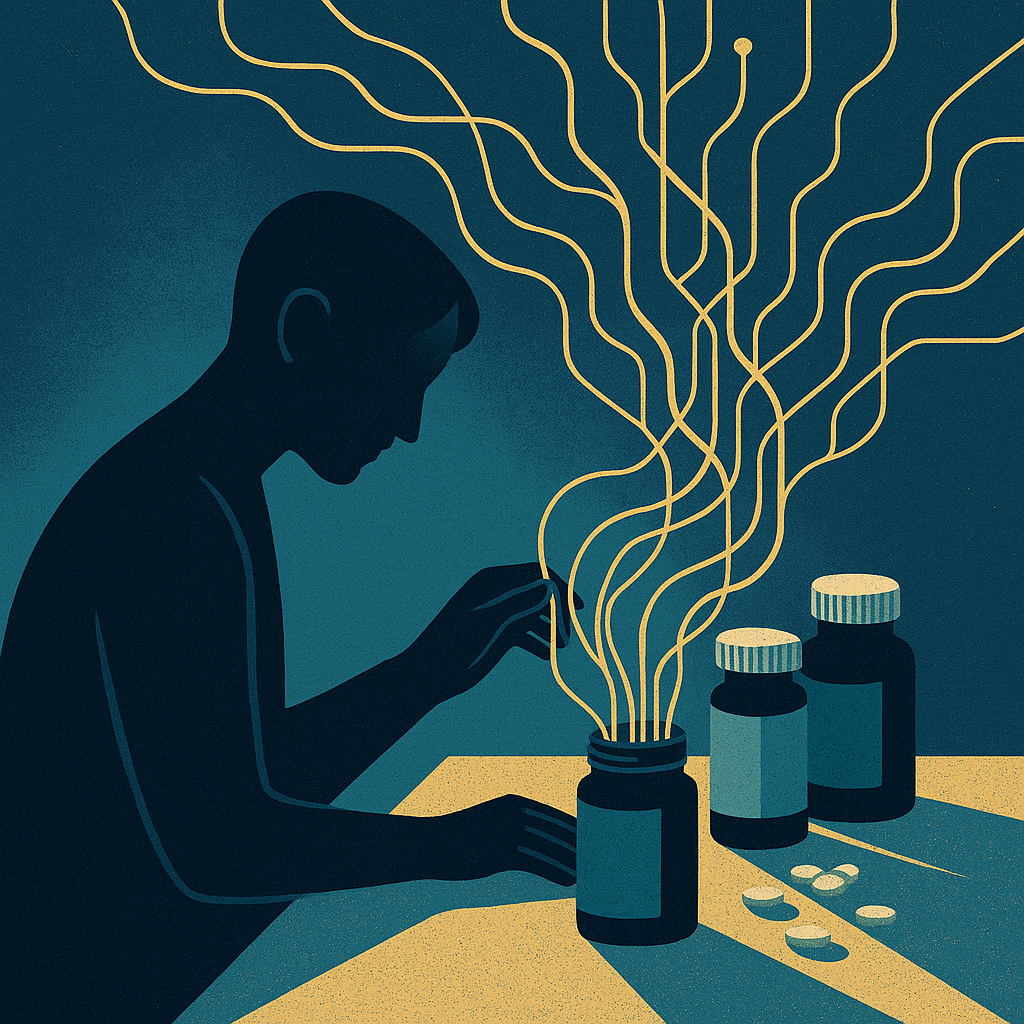













Yeah, we know. WE’VE known for a long time, but the establishment still on the whole refuses to listen.
Can we stop trying to do brain studies that aren’t fMRI or actual neurology? We got here because of the pseudoscientific method, which also says that we can’t do research to prove psychiatry is crap unless we give them all benefit of the doubt and still use their “qualitative” tools first.
We got here because people still think you can be an expert on the human soul.
Report comment
Yeah, I am finally able to get into my MiA password, I appreciate being able to read the MiA research blogs … and I’m glad the last 24 years of my life’s work was not deleted from my computer, as I was incorrectly told by Apple would happen, thank God that didn’t happen.
A little roar to my never hired, attempted thieving, non-clinical, computer hacking psychologist enemy/hopefully … now supporter?
“Previous research has found that reducing/stopping psychiatric drugs, including antidepressants, antipsychotics, and benzodiazepines, often results in life-altering withdrawal symptoms. These symptoms can sometimes last for years after stopping these drugs. Withdrawal is commonly misdiagnosed as ‘mental illness’, as one who has 24 years of brain zaps, and counting, misdiagnosed.
Report comment