Editor’s Note: This piece was originally published on our affiliate site, Mad in Norway.
H
elen Wesnes was 19 when she sought help from the health care system. It cost her 15 years, followed by a 12-year legal process. She has already won millions in damages and is ready for the next round. Now she explains how she built her case.
Few people know that in Norway there is a society within a society, full of paradoxes and with no known way out. This is the Norway offered to psychiatric patients once they fall under the Mental Health Care Act. “Someone must have slandered Josef K., for one morning, without having done anything wrong, he was arrested,” writes Franz Kafka in his world-famous The Trial, and what follows is a nightmare about the individual’s powerlessness against the arbitrariness of bureaucracy. Josef K. and Helen W. don’t have a great deal in common, since she walked out alive and victorious. Otherwise, the process was much the same.
“The media are failing their mission when they don’t raise this case to a systemic level. The practice itself is the problem, not whatever diagnosis the patient may have.”
Helen Wesnes speaks out about her 15 years of confinement, and the legal process that followed
I have invited Helen Wesnes to a conversation in which she shares reflections on the 15 years she was locked up in psychiatry, cut off from both physical and emotional contact with other people. This was the consequence of seeking medical help after a collapse brought on by a critical life event. Her story is an almost unbelievable process, and so is the battle Helen is now fighting in the Norwegian legal system. It is a battle she is fighting for everyone who loses their lives to psychiatry. She holds hard-won experience of what health care should have been, but isn’t, for those who need it most.
There has been limited media interest in covering the legal process Helen Wesnes has pursued for 12 years, and which is still ongoing. This despite the fact that it is historic for a psychiatric patient in Norway to be awarded damages for human rights violations. The articles that have been written have focused on the fact that she was misdiagnosed. Helen says the media are failing their mission when they don’t raise this case to a systemic level. The practice itself is the problem, not whatever diagnosis the patient may have.
Helen has unique expertise in how to prevail against the system once mistakes have been made. She has acquired these skills through what has so far been a more than twelve-year war against state bodies, along with insight into what goes on behind closed doors. In this in-depth interview you can read about a Norway that very few people know exists. She is now asking for deeper understanding from the media and others. “They tend to focus on how terrible it is that I was misdiagnosed, back when trauma was interpreted as schizophrenia. They don’t ask the fundamental question: Should any human being be treated like this?”
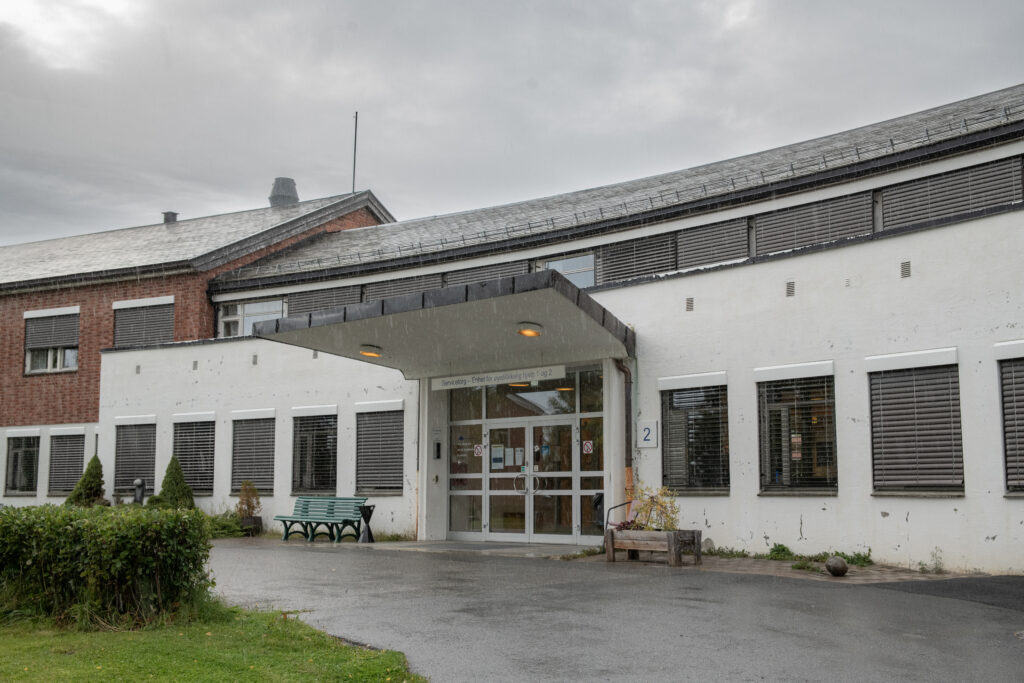
There are events in this story that reveal eugenics thinking, and this is Norway in the 2000s. The sum of what she has been subjected to can also be understood as misogyny. The mechanisms meant to detect and correct problems in the many locked wards in our country have proven to fail. Helen herself says she believes she got out at the last minute, when medical tests showed alarming values.
What began as a patient injury case in 2015 has become an insane process in which the State is doing everything to crush a patient, where the hospital had admitted its mistakes even before the case began. This shameful story should have been compensated many years ago. Instead, the state has dared to appeal.
A brief outline of the Norwegian system
Patients subjected to compulsory treatment must turn to the Control Commission to complain, or to the County Governor (Statsforvalteren) if the complaint is unsuccessful. Once treatment has ended, patients can claim compensation from NPE (the Norwegian System of Patient Injury Compensation). If the claim is rejected, or the patient disagrees with the amount awarded, the case can be appealed to the Patient Injury Compensation Board under the Norwegian Board of Health Complaints (Helseklage). If the case is still not resolved, the patient must turn to the courts by suing the state, represented by NPE. In doing so, one also risks having to pay the state’s legal costs if one loses. Norway has three levels of court: the District Court, the Court of Appeal and the Supreme Court. The final avenue for human rights violations is to bring Norway before the European Court of Human Rights in Strasbourg.
Background to Helen Wesnes’s case
The pathologization process
What triggered Helen’s crisis was a rape in her late teens, something she did not talk about until a year into her admission at Sykehuset Innlandet Reinsvoll (SIR), by which point she had already been labeled seriously mentally ill. When she sought help, it was because she had stopped sleeping, was burned out and had broken down. She had tried to work hard to forget the rape, and she had stayed awake at night to avoid the nightmares. Eventually she saw a psychologist, who recommended two weeks of rest at Reinsvoll hospital. Fifteen years later she got out.
Helen describes herself as a child who always found her own way. She wasn’t concerned with following the crowd, and her family supported her when she chose a Steiner school and violin lessons, which was unusual in the working-class community where she grew up. She was strong-willed, curious and exploratory, and she learned quickly. Activities and sports were an important part of her upbringing.
The hospital’s treatment plans state that all staff were to avoid talking with Helen about anything other than practical matters, and this became the young woman’s daily life for 15 years. Friends were turned away at the door, and relatives and family were only allowed visits of 30 minutes, with staff present. Mechanical restraint was part of the treatment of a girl who was never violent, aggressive or suicidal. It was carried out to calm her down, which is illegal. The treatment approach was to reject all of the patient’s attempts at human contact.
Over the course of the “stay,” the ball rolled from one brain-disorder diagnosis to the next, until she ended up with a long list of diagnoses and an even longer list of medications. The diagnosis that would set the course for the inhumane treatment she was subjected to was schizophrenia, written in her chart by a summer substitute after a few meetings and without any in-depth knowledge of the patient. She never received a proper assessment, because with that word in the chart, the course was set, in a system built on authority and hierarchy.
In the hunt for brain disease, the hospital paid no attention to the fact that Helen gained 50 kilos and slept 16 hours a day. On the contrary, she was given sleeping pills when she had barely woken up. Since then, Helen has sought out a handful of former staff to hear their view of what she was like, and why she was treated so harshly. The answer was that she was “too smart” for them, and that it was challenging to be met with argument and Helen’s quick comebacks.
In 2012 she was rushed to hospital with dangerously low blood pressure, fainting and questionable ECG results. Helen now says she would have died from the overmedication if they had been allowed to continue much longer, and that she got out at the last minute.
The NPE process
It was the hospital itself that told Helen about NPE, after realizing it had mistreated her for 15 years. When Helen filed her claim in 2015, she therefore assumed the case shouldn’t take more than a couple of years, but the NPE process would end up taking more than ten years before she received the first compensation payment.
In 2022 she sued NPE because she disagreed with NPE about the extent of the injuries she had suffered and how much she had lost in earnings. Helen also argued that she had to be compensated for non-economic losses in the form of deprivation of liberty, torture and the loss of the right to family life. Because NPE considered itself the wrong party for this part of the case, the State, represented by the Ministry of Health and Care Services, was sued for violations of the European Convention on Human Rights (ECHR). Because the case is so extensive, it was split into two parallel proceedings. The trial concerning the ECHR violations was held in June 2026. The case against NPE, however, has been postponed to February 2027.
NPE’s first expert reports were based on an incomplete medical record that was missing nearly a thousand pages from the first eight years of the admission. These reports therefore concluded that Helen was schizophrenic and in need of treatment, and that she had received the correct treatment. They also claimed she would have recovered had the treatment been allowed to continue, and gave no weight to the fact that the hospital had backtracked and admitted its mistakes.
Helen argued and documented thoroughly in her correspondence with NPE for years, before she and her lawyer discovered, just before the trial was due to begin, that NPE had not obtained the full medical record. That NPE did not discover this itself can only be explained by their not reading the responses they themselves had requested, but carrying on undeterred toward a rejection.

Once the error was on the table, the impending trial had to be halted, and NPE appointed a new expert. This expert found in Helen’s favor, but NPE’s caseworkers have since expressed dissatisfaction with his report and stated that they do not agree with all of his conclusions. (These are people with one year of training in case processing and no medical expertise.) The NPE expert who found in Helen’s favor has never been given another assignment by NPE.
The court proceedings
Helen Wesnes is the first person in Norway to be awarded damages for human rights violations following psychiatric treatment. This happened at Romerike og Glåmdal District Court in June 2026. The State has appealed the ruling, and the next round will take place in 2027 at Eidsivating Court of Appeal. The District Court had already awarded Wesnes damages for misdiagnosis and mistreatment in 2024, in an amount of more than NOK 7,700,000. The 2026 round was therefore about whether the treatment she was subjected to violates human rights, and if so, what it should cost the state.
Helen says that a few years ago she did a quick calculation of how much the mistreatment has cost the state, by adding up the daily rates in specialist health care, the supported housing and her disability benefits. The total came to about NOK 130 million. Had the system had its way, Helen would still be in this costly treatment. But the reckoning is about something far more important than money: namely, how reality is to be defined.
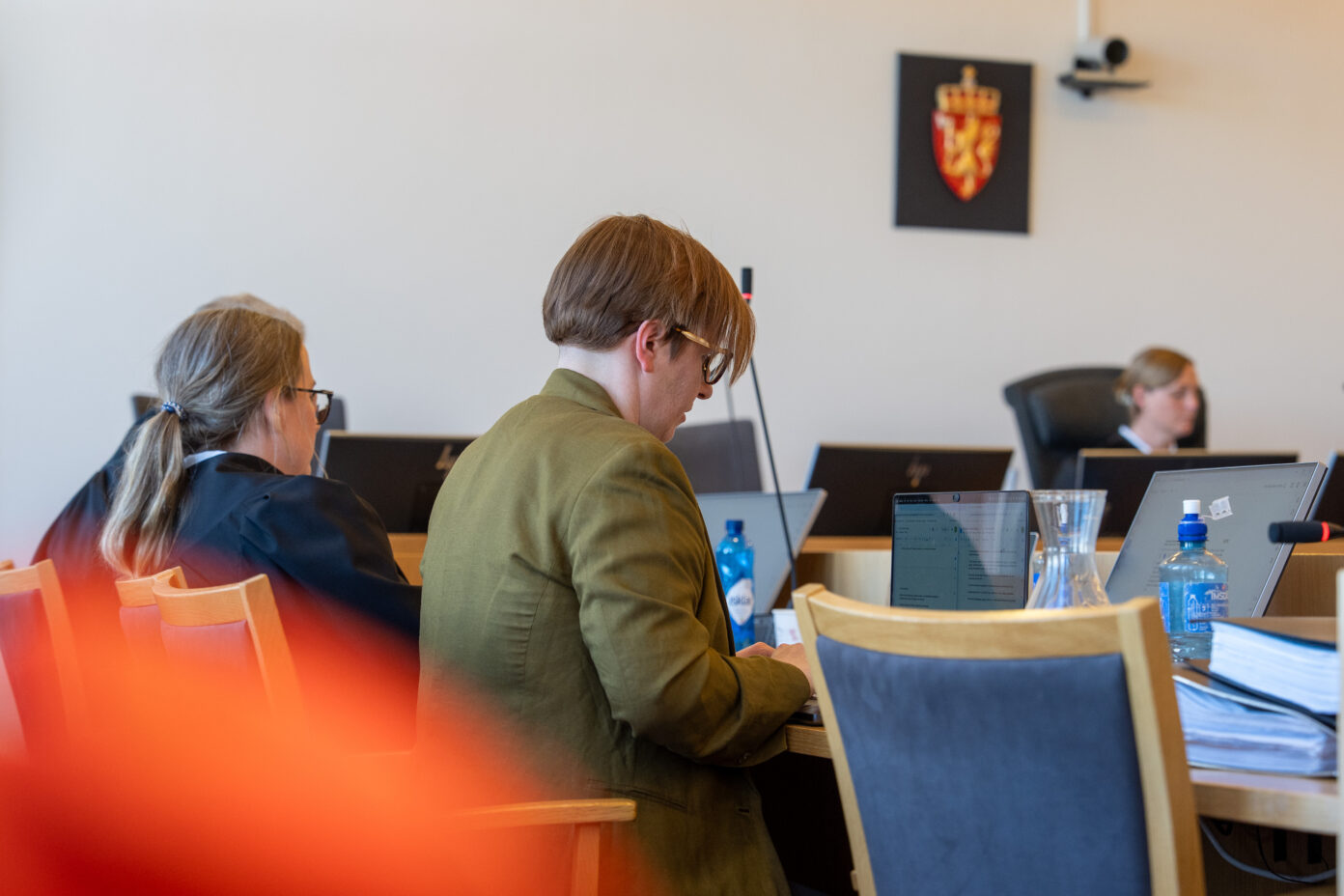
At Romerike og Glåmdal District Court in June 2026, Helen Wesnes and her lawyers Gorm Are Grammeltvedt and Emma Dahl Grammeltvedt won what is a historic ruling, in which she was awarded damages for human rights violations during psychiatric treatment. (Inger-Mari Eidsvik had already become the first person in Norwegian law to have a human rights violation in psychiatry recognized in 2025, but because of earlier decisions on the statute of limitations in that process, Eidsvik was denied compensation. She has appealed to Strasbourg.)
Treatment principles during Helen Wesnes’s confinement:
- Rejection of all conversation beyond the practical
- Prolonged mechanical restraint at any signs of an emotional life (she was never aggressive or suicidal)
- A requirement to behave exactly the same toward all staff
- Rotation of staff at signs of a relationship with the patient
- A ban on writing about herself in her own diary
- Limited time allowed for writing in her diary
- Restrictions on/refusal of taking photographs (the patient’s hobby)
- Seclusion with elements of isolation for weeks at a time
- Disregard for her need for safety and care after a murder attempt by a fellow patient
- Forced medication
- Friends turned away at the door
- Visits from parents and relatives monitored and reduced to a few minutes per week
“How can health care workers do things like this? Is this treatment? There were plenty of beds, time and resources, so that wasn’t what it was about.”
Interview with Helen Wesnes: on isolation and its consequences, on how to win a compensation claim, and on the paradoxes
The rest of this article and the interview that follows are in Helen’s own words, from a conversation that was open and without many direct questions. The conversation was audio-recorded, and the written text has been tidied somewhat where the spoken version was not clear enough as text. The interview has been read and approved by Helen. It took place on August 21, 2026.
Reflections after fifteen years in a locked regime
It was totalitarian and oppressive
Will these outrageous stories even be believed, and would I have believed them myself? That I was put in restraints as part of the treatment? That they left me lying there in my own urine? That I was the victim of an attempted murder by a fellow patient, and the message was that I should just “rise above it,” with an expectation that we would barbecue and eat waffles together shortly afterward? How can health care workers do things like that? Is this treatment?
There were plenty of beds, time and resources, so that wasn’t what it was about. It’s about individual acts by individuals, and choices they made, like coming into my room on my birthday just to say, “We don’t sing birthday songs or give hugs on 3A!” I will never forget the female staff member who just patted me condescendingly on the restraints when I asked why I had to lie in them, before ignoring me completely. It was so disrespectful! It made a huge impression. It was a deeply inhumane and callous culture.
I never got help with what the problem actually was, not even after they learned about the rape. The hospital had no interest in it whatsoever. All they cared about was the schizophrenia diagnosis, and so they followed a treatment theory holding that it was harmful to talk with the patient about anything interior. All you were supposed to talk about was the weather and practical things.
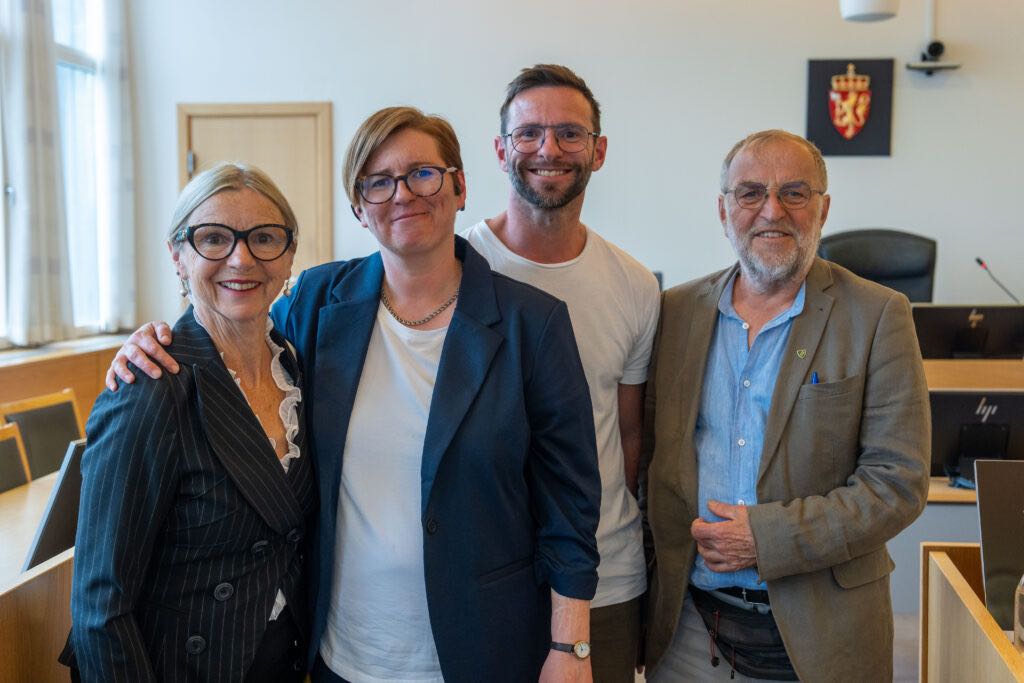
My closest family were also instructed to relate to me in this way, so not only was I consistently rejected by staff, but they thereby isolated me from everyone else, not just physically but emotionally, too. Being so alone created enormous wounds.
Individuals had all the power – no one knew
Clinicians I had later were shocked to hear what had happened on the ward where I had been at Reinsvoll. These were their colleagues, but they knew nothing. I have also spoken with staff who left after working there a while, and they say the place was toxic. The ones who stayed were the ones who adapted to the culture. Boundaries shifted, and violations and exercise of power were gradually normalized. It was reminiscent of a kind of Stanford experiment, in a closed society with no outside correction. The senior physicians were there three hours a week. Power corrupts, and that is what happens in psychiatry. Petty evil takes root when individuals are given unlimited power in a totalitarian system. The Control Commission came by in 2008 and checked coercion decisions, but where were they all the other years? Besides, staff carried out almost all coercion without any formal decision, and then there’s nothing to check.
Mechanical restraint – effective for producing compliant patients
Restraint was used as treatment, but that is not legal. I ran into one of the nurses by chance and confronted her about all the restraint I had been subjected to. She laughed nervously and replied, “Well, I hope we did everything by the book!” But which book has she been reading, I wonder? I was never violent. I didn’t trash the room. I wasn’t dangerous, and not suicidal either, even though the Attorney General’s office tried to claim so, because then they can call it necessity. No, it wasn’t like that. The Control Commission even approved restraint decisions that describe how cooperative I was in the situation. Then necessity is not a valid justification, and it’s illegal. They used restraints because it was effective. And it was, because you give up and become compliant. I really liked what one of the witnesses said in court: that the court had to understand the difference between voluntariness and resignation. Not resisting doesn’t mean it’s voluntary. It’s like freezing during a rape. That witness was one of the staff from when I was admitted.
“There’s a place in hell for those people.”
The patients were not human beings
“You shouldn’t have children,” I was told while I was admitted, and the chart says: “must have a serious talk with pt about contraception due to e.g. heredity.” This is racial hygiene and eugenic thinking, and it’s happening in the 2000s. Information is fine, but when the goal is contraception, it means that a child with my genetics is not wanted in society. Ergo, they don’t want patients like me in society either.
This hurt more than any restraint, because it was an attack on my person and my human dignity. So we’re not human beings. The attitudes are frightening, and these people are still in their jobs. My treating psychiatrist has apologized since, so I have been able to make peace with him. I have forgiven many, but not those who defend themselves and cannot say sorry. There’s a place in hell for those people.

The hard road back to life
I didn’t know how to be in the world
People who know me now say they never understood how completely destitute I was when I got out. I didn’t know how to be in the world and interact with ordinary people. I had been on a high-security ward with drugged and violent men. I knew nothing about what normal functioning requires, having been institutionalized and helpless since I was 20. I was 35 when I got out. It was worse than being in prison: you don’t get put in restraints or poisoned in prison because you look a bit sad one day. You can get an education, have visitors, and actually have a bit of privacy, like going to the toilet alone. And nobody stands watching you while you shower. You can make a private phone call.
How are you supposed to behave, quite simply, and what is expected? And how do you vote in an election and pay bills? What are Spotify and Netflix? How do you finish upper secondary school and get a driver’s license? How do you make new friends when you don’t have a job or aren’t a student? I just had to show up at clubs and activities and throw myself into things. It was really scary, but it worked out. I can’t expect people to understand, and I can’t talk about it. People are afraid to touch the subject. And I camouflage, presenting myself without showing how things have marked me.
I’ve been very hard on myself in the process since. Taking your life back requires daring. Can you give a talk, people asked me. Yes, absolutely, I replied, but I had never done it before! Then I put on my theater hat and play a confident person, while thinking about who can help me. Because how does PowerPoint actually work? I don’t ask myself whether I want to, because I’m going to! “Think of Reinsvoll! You’ve been through worse,” I tell myself. I’m not actually confident when I say I can do something. I learned something very useful from a TED Talk by a social psychology researcher named Amy Cuddy (YouTube): “Fake it till you become it.” Eventually you’ll be able to.
I bet it felt like being on acid
I had no methods for regulating the emotions that came up as I tapered off the medications. All sensory impressions hit me as if they were being used for the first time. Smells, tastes, sounds: everything was switched on, and the impressions were extreme. The medication bubble that had muted everything was suddenly gone.

I sat in the park for 5–6 hours every day and thought everything was just amazing. My God, how beautiful! It was the world’s most beautiful sunset every day, every single damn day! I imagine that’s what being on acid must be like. I lay down and touched the grass! Because what did it actually feel like? And what does the bark on trees actually feel like? That’s the kind of thing I did! I smelled, felt and looked around me for hours every day. Everything was so wonderful, and at the same time very, very sad. I cried at the slightest thing during that time.
Doing well now – in spite of psychiatry
I’ve tried to make up for a lot of what was lost, and it has been incredibly demanding. How you’re doing has a lot to do with how you take it. Life is what it is, and there are things you can’t do anything about, that’s just how it is. You can’t let yourself be overwhelmed by the losses, because then they’ve won. I’m doing well now, and I created that myself. I managed it, not because of psychiatry, but in spite of it. The loneliness I feel isn’t because I’m alone, because I’m not anymore. The loneliness is about being pretty much alone in what I’ve been through.
Claims to protect patients – protects itself
A lack of logic – NPE reveals that the system protects itself
I requested extended access to records and checked NPE’s statistics. The majority of those whose claims were upheld won on grounds of lack of treatment, not because psychiatry had given the wrong treatment. Suicide tops the list, followed by delayed diagnosis. You see examples of inadequate safety measures or suicide assessments, or poor follow-up of medical problems in psychiatric patients, which places them under the psychiatry statistics at NPE. Over the past five years, NPE has found only 12 cases of misdiagnosis in psychiatry that resulted in a decision in the patient’s favor. That’s just over two cases a year.
If these statistics reflect reality, then this subjective, opinion-based field is the most accurate discipline in all of medicine. But, is psychiatry really the most accurate health service there is? NPE is a body meant to look after people after injuries in the health care system. The truth is that psychiatry decides the NPE cases too; those who provide treatment are the same people who assess the treatment. The system has a collegial mentality, a guild mentality, that protects the profession as well as NPE’s coffers.
How she built her own case
The first thing I did when I got out was sit down and read: pharmacology in psychiatry. The Mental Health Care Act. The old guidelines from the Norwegian Board of Health Supervision for the treatment of schizophrenia. The old guidance documents on schizophrenia. What is good treatment? What is an assessment? I read everything!
At first I didn’t have a lawyer and I did everything myself. And I did a thorough job: I wrote 35 pages of comments on NPE’s first expert statement (which was 16 pages). “This is missing…”, “This has not been done…” and so on. I pointed out every failure there was and backed it up with references to the professional literature as well as to the medical record. I found the weaknesses in the reports and the record, and commented and argued point by point. “This is wrong, and this is wrong… And this can’t be right, because if he believes this, then why does it say this…?” I referred to research and to the knowledge of the time, and the laws and regulations of the time.
I also did a lot of networking. The hospital understood that I had been mistreated, and I chose to seek out the senior physician who was responsible for the mistreatment and insisted on occasional meetings with him. Instead of going to war against Reinsvoll, I decided that they would understand what had happened, and that we would do this together. I also gathered several written statements from staff who had worked at the hospital during the years I was admitted, as well as from health professionals outside the institution. Collecting all these witness statements shortly after the mistreatment ended has been decisive for my court case.
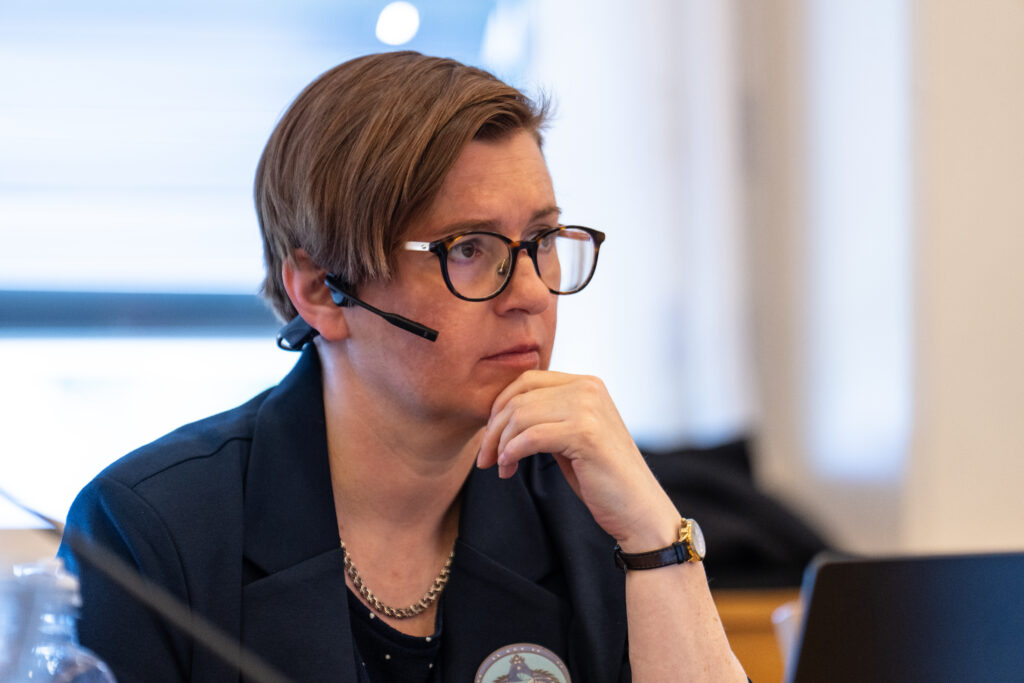
When everything comes down to luck, there is no legal protection
Suing the state costs millions, and if I had lost, I would have risked having to pay the state’s legal costs as well. I didn’t have the money for that, so I just took the chance. My lawyer has put in an enormous amount of work and has been willing to share the risk with me. Colleagues he consulted reportedly told him he could forget about winning this case, that we didn’t stand a chance, but both he and I believed in the case, because we knew we were right.
We can’t have a system where you depend on who you happen to meet, and whether you’re lucky enough to meet lawyers willing to work pro bono. At NPE it’s a matter of luck which expert and caseworker you’re assigned, and the same goes for the National Complaints Body for the Health Service/Patient Injury Compensation Board. It depends entirely on what the experts think, so it’s completely dependent on the individual. In my case, the Board’s experts were one from the Asthma and Allergy Association, one with expertise in women’s health, one specializing in cardiovascular disease, along with two lawyers. How were people with no expertise in psychiatry or pharmacology supposed to assess a case like this? Of course I lost there.
A high price, but she can’t give up
The case I’m fighting now concerns human rights violations (ECHR), and it’s a matter of principle. Should people be able to be locked up for years without being compensated? Why am I taking on this case, one might ask. It demands an enormous amount. You need health and finances, and it’s more than a full-time job. The fight has come at a high personal cost. When I started, I believed the systems worked. I believed we had legal protection, and since the hospital had already admitted its mistakes, I thought this was an open-and-shut case. I thought it would go straight through when I filed with NPE, but I was very naïve. I would probably have filed anyway, even if I had known in advance what this process would demand, because I’m far too stubborn to give up. But it has cost too much. The system has now almost taken another 15 years, on top of the 15 they had already taken, and the case isn’t over. And they have damaged me so much.
Pitfalls, paradoxes and the risk of asking for help
Dangerous to seek health care while tapering
By the time I had almost finished tapering off one of the medications, the hospital had understood that I had been mistreated and that I should never have been on these drugs. But quitting abruptly went to hell. If you’re a staff member meeting a patient in that kind of chaos (which is what tapering off psychiatric drugs is), you’ll naturally think the person has lost it.
It’s very risky to seek out the health care system while tapering, because withdrawal reactions (physical reactions to reducing or stopping medication) can be interpreted as anything at all. Withdrawal symptoms can show up in all sorts of strange ways, and then it’s dangerous to tell anyone, because it can be interpreted as a sign that the illness has returned. Then you quickly get more medications slapped on you, and that happened a couple of times in my history. In my case, my withdrawal reactions were interpreted as depression, which it absolutely wasn’t, and so they gave me the maximum dose of antidepressants. You should try to stay away.
Every time I needed to talk, the health care system felt a strong need to act
I had a lot of feelings and struggled a great deal in the years after I got out, so I did seek out health services to ask to talk to someone. You’re “drilled” to think that if there’s a crisis, you have to talk to someone in the health care system, but you actually don’t! (Laughs.)

As soon as I had feelings and asked to talk to someone, the response was: “We have to do something here! Now we have to call Reinsvoll hospital.” But that wasn’t what I needed; I just needed to talk. I needed someone who could listen. Sometimes they could just have listened, and they could just have let me have my feelings, but instead it turned into discussions about whether I needed to be admitted. Fortunately, I had clinicians I knew well, who protected me from health workers who might potentially decide to admit me.
You can’t be sad or angry if you’re a psychiatric patient
I was just having a hard time, but you can’t express strong emotions when you’re a psychiatric patient. Because then you’re sick, and then someone has to intervene. You can’t be sad or angry if you’re a patient in psychiatry, because feelings are interpreted as you being acutely ill. In general you can’t have feelings in psychiatry, and what a paradox is that? What they’re doing is acting on their own fear.
Without a diagnosis, she could finally get help at a DPS
Eventually I got a fantastic psychologist, an experienced woman in her sixties. Once the diagnosis had been removed, I could finally get talk therapy. I didn’t get that as long as I was “sick.” Is that a paradox, or what? (Laughs for a long time.) I asked for a psychologist at the DPS (district psychiatric center) for years, but I didn’t get one. The reasoning was that what I needed was “stabilization” in supported housing, and to learn to live with the illness. But once I had been discharged and was off medication, then I could get treatment! It’s good to have a psychologist to talk about what you’ve been through. For me it’s mostly about understanding what I was subjected to in psychiatry, and why people act the way they do, more than understanding myself.
Never fill in a form!
I once filled in a form, right after I had discontinued my medication and was completely off balance. I had just realized that I had lost 15 years of my life, and on top of that the withdrawal reactions were producing a whole range of symptoms, so I scored sky-high on the depression symptom form. Then they wanted to put me on the maximum dose of antidepressants, me, who had finally gotten free of medications. I’m never filling in a form again! It’s a trap.
I have encountered shocking treatment in the health care system, even after I was awarded compensation for misdiagnosis and mistreatment. The stigma that comes with it leads to suspicion of everything from dangerousness to being mentally disturbed or abusing drugs. This happens even though I have never been violent, and the only intoxicants I have ever used were given to me by the health care system. I no longer contact the health care system if I’m in a crisis.
“I’m going to live a life, not win a war.”
The best revenge is living well
My psychologist quoted me back to myself: “Do you remember, Helen, what your driving force and your goal was? It was revenge!” There’s a lot of power in anger and the desire for revenge, so I got a lot done! (Laughs for a long time.) They don’t understand what they’ve created; I’ve become the ultimate opponent (laughs again). But I’m going to live a life, not win a war. The best revenge is living well, and taking your life back. But I’m not done with the fight, and I hope people can use the ruling for something. I want it to benefit others.
Hilde Marie Rekstad