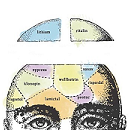

None of the 22 FDA Approvals for Psychiatric Drugs in the Last Decade Were...
Established drugs were repurposed, “me-too” drugs were approved, and even the few new biological approaches lacked clinical utility.

AI Undermines Medical Education—Trainee Doctors May Never Learn Vital Skills
Medical trainees using chatbots to do their homework and write their papers will not develop the skills needed to be a successful doctor.

Harm for Profit: Are Nursing Homes Drugging Residents to Avoid Paying for Adequate Staffing?
Long-term care facilities commonly prescribe antipsychotic drugs to elderly service users, often to treat behavioral issues associated with dementia. Despite a lack of evidence...

Weekly Research Digest: Bullying, Social Media, and SSRI’s Link to Suicide
This week, Mad in America examines research around increased suicide risk in children and adolescents related to bullying in high-school and the use of...

Doing Harm: The Human Cost of Turning Mourning Into a Disorder
Grief has long been understood as a normal and healthy response to loss. However, over the past decade, American psychiatry has rebranded that time...
Weekly Research Digest: Bad Research, Unsupported Beliefs, and Sleep Apnea
This week, Mad in America examines recent antidepressant research questioning withdrawal severity, a study of unsupported biological beliefs about mental "illness," and research linking...

Nearly All ECT Recipients Report Negative Effects, Study Finds
A new international online survey published in the Journal of Affective Disorders gives voice to the lived experiences of people who have undergone electroconvulsive...

Anti-inflammatory Drugs Fail for Depression
Response and remission rates failed to beat placebo in a new Harvard meta-analysis, throwing the inflammation hypothesis into question.

Antidepressant “Maintenance Treatment” Not Required: Slow Tapering with Support Works
Questions remain about best practices for discontinuation strategies, and the distinction between relapse and withdrawal was not defined.

Psych Drugs Linked to Increased Risk of ALS
Psychiatric drugs linked to increased risk of the rare, incurable neurological disease that causes loss of motor function.

Easier to Refill Than Review: Antidepressant Prescribing in Primary Care
Researchers found that for many doctors, renewing antidepressant prescriptions feels safer and faster than helping people taper, and that most current interventions fail to address the pressures driving that choice.
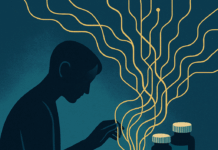
“The Stuff of Demonic Nightmares”: People Describe Withdrawal from Psychiatric Drugs
A new study in Health Expectations led by Trinity College Dublin researchers finds that people withdrawing from psychiatric medications often endure severe symptoms, limited clinical support, and widespread uncertainty about how to taper safely.

“Medicine Is Awesome” Mentality Fueling Harmful Antidepressant Use, Say Experts
The authors call for a paradigm shift in mental health care that emphasizes empathy, context, and alternatives to medication as first-line treatments for depression.

German GPs Say They Need More Support to Help Patients Stop Antidepressants
New research from Germany shows how guidelines, system pressures, and lack of collaboration limit deprescribing.

No Subgroup of Patients for Whom Antidepressants Are Effective
A reanalysis of STAR*D finds no support for the theorized subgroup of patients who do well on antidepressants.

Researchers Criticize Putting Preschoolers on Stimulant Drugs
Against guideline recommendations, preschoolers were often prescribed stimulants without even having the chance to try family behavioral therapy.

Researchers: “We Do Not Suggest” Antipsychotics for Depression
Augmenting with antipsychotics was no better at reducing suicide than adding antidepressants, but led to increased risk of death from other causes.

Elderly Patients Who Stop Antipsychotics Have Better Outcomes
Older adults are often prescribed antipsychotics off-label for behavioral control in the hospital. But there’s no evidence for antipsychotics helping, and a great deal of evidence of harm.

From EMPOWER to Exercise: What Actually Helps Older Adults Quit Benzos?
Despite clear risks, benzos and z-drugs remain widely prescribed to the elderly. New research explores what helps—and what doesn’t—when trying to stop.
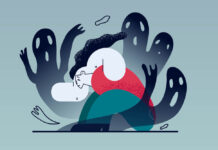
Exposure to Antidepressants in the Womb Makes for Sad, Scared Adolescents
SSRI exposure in utero “alters the offspring’s brain structure,” causing a hyperactive amygdala and fear circuits, leading to anxiety and depression.
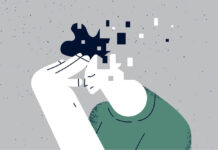
Post-Acute Withdrawal Syndrome (PAWS): Why Don’t We Know More About It?
Persistent antidepressant withdrawal is a debilitating experience, but little research exists about its prevalence and treatment.
Antidepressant Withdrawal Is Common and Debilitating
Those using antidepressants long-term were more likely to experience withdrawal and to have severe withdrawal symptoms.
More Evidence That Antidepressants Work Via Placebo Effect
Antidepressants were more effective for depressed patients who were more “optimistic.” Still, only 30% responded to SSRIs.

Half of Those Who Take Antidepressants Are Labeled “Treatment Resistant”
Millions of people are trying multiple antidepressant drugs without success, and psychiatry labels them “treatment resistant.”

Antidepressant Trials Last Eight Weeks, So Why Do We Take Them for Years?
The studies are of short duration and are riddled with methodological issues like unblinding and failure to assess withdrawal.