
Does Pharma Need the Entrepreneur?
Capitalists don’t discover new medicine; they invest in it. The incentive to do so, as everyone will admit, is to return a profit. Most would also agree that this profit shouldn’t be "too large," but enough to encourage adequate investment into new treatments. However, the idea that this is a well-functioning system, and indeed the best way of producing medicine, is a myth.

Beyond the Buzzwords: What Does Trauma-Informed Care Truly Mean?
Rethinking Psychiatry's March meeting was a rich discussion of what "trauma-informed care" means. It is an important idea, but can be an empty buzzword. Our goal was to have a deeper, more meaningful conversation on what this term really means. A diverse group from the local community attended and we had a really interesting, thoughtful discussion.

What COVID-19 Has to Teach Us About Psychiatric Oppression
The answer to DJ Jaffe’s question as to whether or not forced incarceration in psychiatric facilities leads to fear of psychiatric facilities (or of reaching out for help in general) is an obvious one. Yet, it is important that we find ways to use this opportunity to draw the connections in bold, impossible-to-miss lines, and turn this crisis into a learning opportunity that might actually help move psychiatric oppression out of the shadows of the unknown and into the light.
DSM Led Us Far Astray. Life Story Is the Path to Truth.
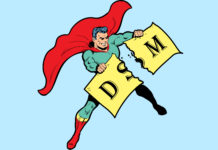
When the DSM-5 came out six years after the study was published, it ignored the evidence that psychological injuries caused 88% of “depression” in adulthood. It wasn't just this study that was sidelined. All the research that linked childhood trauma to later episodes of “depression” was ignored as well.
No Good Evidence That Antidepressants Prevent Relapse
Trials of antidepressants for relapse prevention are confounded by withdrawal effects caused by the drugs.

When Telling A Psychiatrist You Are Not Mentally Ill Is Grounds for Commitment
Both these cases are examples of people whose only symptoms were stating they were not mentally ill and did not need psychiatric medication. They both certainly had problems at some time in their lives, but the one size fits all system of commitment and mandatory medication did not fit their needs at all. Does having mental symptoms in the past mean that one should have a lifetime of mental health commitment and forced medications?

When Psychology Speaks for You, Without You: Sunil Bhatia on Decolonizing Psychology
MIA’s Ayurdhi Dhar interviews Sunil Bhatia about decolonizing psychology, confronting the field’s racist past, colonial foundations, and neoliberal present.
Suicide Prevention and Service Failure in the U.K.
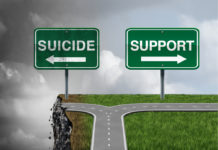
It's really hard to talk about suicide. We are constantly constrained by the notion that our mental health is our individual responsibility to manage, told to “live our best lives” by a never-ending campaign of exploitative wellness fads. A more collective conversation is needed.

Loneliness Is Deadlier Than COVID
What we are being required to do and what many are rightly electing to do for their own health—that is, social distance, isolate and quarantine—are exacerbating the felt sense of loneliness that was an epidemic long before the present crisis. The coronavirus pandemic has made it obvious that the precious-sounding axiom “we need each other” is quite literal.
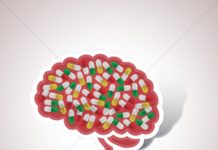
Neuropsychological Tests Reveal Consequences of Polypharmacy
Neuropsychological assessments reveal the cognitive, occupational, and social impact of polypharmacy in psychiatry.

Why Compassionate Activism?
Compassionate Activism encourages people to “take a second look,” as Deron and Linda advised me to do. It is not the easiest thing to do, as we have learned the language and lived the life that profits some while others suffer. Knowing what has happened before can help light a pathway to where we want to be, so sharing the history of mental health is a big part of CA.

Re-establishing My Credentials: Psychiatric Survivor Activists Are Needed Now!
For more than four decades, I have worked as a psychiatric-survivor human rights activist. Then, at the end of 2012, I broke my neck. As readers of my blog posts, such as those on Mad in America, know, I have devoted the past few years to rehab and activism. But it has been a while since my last personal blog. Let me sum up my Mad Pride journey today, because a lot is changing.

What If This Pandemic Is the Best Thing to Happen to Children with Challenges?
Families may be worried that the stress of lockdown may aggravate their child’s struggles. Yet, we hear some parents say the situation has changed their child for the better. Why might that be? In this interview, Dr. Nicole Beurkens talks about the impact of “quarantine life” on children with different types of behavioral, emotional, and neurodevelopmental challenges.

The President’s Fitness: Can Professionals Help Decide?
For psychiatrists, psychologists, social workers, and other therapists to claim that they are essential for warning people that Trump is dangerous is to claim special expertise and insight to which they are not entitled, and it simultaneously demeans the judgment of nonprofessionals and helps strengthen the power of their guilds.

“Be Kind to Yourself… For Us!”
Ann: "I’ve fallen in love! With my group! And they’re in love with me!" Hugh: "The group and you have an important relationship that you’re creating together week after week. This includes breaking down the authoritarian boundaries that keep people in their “places” so that they can’t grow."

Awakening: Shedding the “Mentally Ill” Identity and Reclaiming My Life
If I had not crumbled, brought to my knees beneath the weight of the misdiagnoses and sordid side-effects of the medications, I would not have had the opportunity to rise up and gain such a strong sense of self—something for which many spend their whole life searching.

Eulogy for Abraham Leighton McNeill
A friend said to me recently, "Oh, he suffered such a lot. That’s over for him." I know their words were intended to comfort me over my son’s suicide. Our fine, excellent son, Abraham, had committed suicide a month before Christmas 2019. Nevertheless, I bridled inwardly at the suggestion, not wanting to remember Abraham as merely the sum of his sufferings—he was so much more than that.

Jordan B. Peterson’s Support of Corporal Punishment for Children: A Critique
In his book 12 Rules for Life, supposedly based on "cutting-edge research," Jordan Peterson attempts to justify the hitting of children as a form of discipline. But Peterson does so without citing a single study to support his view. In fact, this entire section of the book is bereft of any reference to any research supporting the effectiveness of corporal punishment.

Mad in America and Activism
The question that is presently unanswerable is whether this crisis will stimulate progress or regression. I choose to believe that it is an opportunity but that we must fight to make it happen. My dream: To build compassionate communities where people who look, act, or think differently are supported in ways for them to develop their innate potential.

Window of Opportunity: Reflections on “Dialogue in a Time of Crisis”
We will continue exploring the challenges and learnings of dialogues in times of crisis on the first and third Fridays of the month, at 12:00 pm EST (5:00 BST). This Friday, May 1, Jimmy Ciliberto, Charmaine Harris, Jasmin Ishaq, Ramune Mazaliauskiene, and Alita and Fletcher Taylor will discuss what they are learning in their respective systems.

Gabapentin Horror
After suffering PTSD in the late 1980s, I reluctantly accepted antidepressants. In time, I had resolved the trauma, but when I tried to stop the antidepressants (Prozac, and later Zoloft), I assumed my desperate feelings and “return” of depression were an indication I had an imbalance and needed those drugs. I didn’t understand I was experiencing withdrawal. (I was never told that for most people, psychiatric medications need to be tapered.)

Lucky to Be Alive: The Suicide Attempt I Don’t Remember
Imagine for a moment that you had a sleepwalking episode in which you tried to commit suicide. When you awaken you are in a hospital bed, having no idea where or even who you are nor how you got there. Then someone who loves you tells you that you tried to take your own life.

Not Stigma, Privacy: Why I Write Under a Pseudonym
If I disclose my situation, then professionally, the attributional association of “the therapist with schizophrenia“ will necessarily and inevitably follow. But this is not who I am. Rather, I am a therapist with a private medical issue and I prefer to maintain its confidentiality—no further justification needed.

Sam Himelstein – The Impact of COVID-19 and Social Distancing on Adolescents
Psychologist Sam Himelstein, PhD, talks about the impact of the coronavirus crisis and “social distancing” policies on adolescents, taking a look at the unique needs of teenagers and young adults and the challenges they may present for parents, caregivers, and other family members.

Allen Frances: Still Spinning the Story
Allen Frances' latest article: There are problems in the psychiatric field, but none of these problems can be blamed on psychiatry. But the spurious promotion of psychiatric "diagnoses" as real illnesses, and the routine prescribing of chemical and electrical "cures" were and are psychiatric inventions.