Tag: biomedical model

Mad Studies Is More Than Lived Experience: An Interview with Merrick...
Pilling explains how Mad Studies moves from first-person knowledge to questions of sanism, psychiatric authority, mutual aid, and collective resistance.

Mercy, Magic, and the Medical Humanities: An Interview with Jussi Valtonen
Novelist and neuropsychologist Jussi Valtonen explains how close reading and creative writing can sharpen clinical attention, deepen perspective-taking, and help clinicians notice the language they use to describe patients.
Faith, Culture, and Coercion: An Interview with Cultural Psychiatrist G. Eric...
Cultural psychiatrist G. Eric Jarvis discusses religion and mental health, the social determinants of psychosis, and how coercive treatment can deepen mistrust in psychiatric care.

The Fight for the Soul of Psychotherapy: An Interview with Linda...
Linda Michaels is a psychologist in private practice in Chicago and a co-founder of the Psychotherapy Action Network (PsiAN).
She trained at the Illinois...
The Poetics and Politics of Our Mental Health Metaphors: An Interview...
Ayurdhi Dhar interviews influential cultural psychiatrist Laurence Kirmayer on how metaphors, histories, and social structures contour our experiences of suffering and healing.

Dismissing the “Human Experience”: College Students Feel Unseen by the Medical...
In conversations with college students and recent graduates from across the country and around the world, they described feeling dismissed by views of mental health that narrow their experiences to individual medical problems.

Cured: A Memoir—Sarah Fay on Giving Everyone the Chance to Heal
Author Sarah Fay joins us to discuss why "cured" is such a seldom-used word in psychiatry.
Unscientific Diagnoses Medicalize Normal Human Experiences
In this 30-minute podcast, Peter Simons reports on the latest scientific articles in psychiatry.
The ERNI Declaration: Making Sense of Distress Without “Disease”
The ERNI (Emotions aRe Not Illnesses) declaration is based on the idea that distress does not equate to disease, dysfunction, dysregulation, or chemical imbalance.
How Therapists Can Help With Psychiatric Drug Withdrawal: An Interview With...
MIA's Richard Sears interviews psychotherapist Anne Guy about working with clients withdrawing from psychiatric drugs.
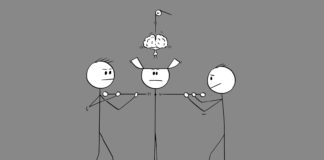
How Psychiatry Turned General Difficulties in Adaptation into “Real Illnesses Just...
Though many psychiatrists have abandoned the "chemical imbalance" concept, they now promote the use of a pre-scientific notion that the only criteria for defining disease is the presence of distress or impairment.

Mental Health Survival Kit, Chapter 1: This Book Might Save Your...
The term “psychiatric survivor” says it all in just two words. In no other medical specialty do the patients call themselves survivors because they survived despite being exposed to that specialty.

Insane Medicine, Chapter 10: The Paradigm Shift Is Inevitable
We must advocate for policies that create environments that are more nurturing for us all in a society that helps provide people with meaning, a sense of community, and a sense of civic duty.

Insane Medicine, Chapter 2: The Scientism of Psychiatry (Part 2)
Paying attention to the science tells us that we need to look beyond formal services. People need connection and meaning as well as basics such as safety, housing, and work.

Insane Medicine, Chapter 2: The Scientism of Psychiatry (Part 1)
Wherever you find mental health services to have expanded, you find a parallel increase in the numbers who have been classed as disabled due to a mental health disorder.

You’ve Got to Be Crazy to Go to a Psychiatrist
To those who say that major scientific/medical advances since 1975 have made going to a biological psychiatrist a rational choice, I say: What advances?
45 years have passed: Is any psychiatric “diagnosis” now verified by lab test, x-ray, or physical exam finding?

UN Special Rapporteur Dainius Pūras: Biomedical Approach “Still Has an Important...
In Pūras' new UN report, his use of biomedical language seems at odds with his message to move beyond the medicalization of distress.

A Tale of Two Paradigms
Two recent mental health reports from Oregon are steeped in the medical model, written by "experts" without lived experience and sponsored by the pharmaceutical industry.

Building a Culture of Mental Well-Being
We used to turn to family, community, and religious/philosophical teachings to ease our despair. Now, one is expected to turn to psychiatrists and therapists. With depression rates rising throughout the world, modern society must find a way to enhance the individual’s capacity to build a meaningful, satisfying, and self-actualized life.
Stigma and Discrimination Linked to the Biomedical Model of Mental Health
Study traces the history of biomedical explanations of psychopathology to show how stigma and discrimination are reinforced when other possible explanations are ignored.

Biomedical Model of Mental Illness Creates Stigma for College Students Using...
A study conducted on college-aged students finds strong correlations between biomedical characterizations of mental illness, pharmaceutical treatment, and social stigma.

Systemic Violence and the Mental Health Industrial Complex
A recent paper, by Dr. Eric Greene, builds upon critiques of the biomedical model and illustrates how the mental health industrial complex overmedicates, stigmatizes,...

Researchers Call for Transparency About Limits of Psychiatric Knowledge
A new paper explores how the disputed nature of psychiatric knowledge influences public perceptions and debates within the field of mental health.

The Science and Pseudoscience of Mental Health Podcast
A growing number of people are seeking an alternative approach to healthcare; one that focuses on achieving optimal well-being rather than symptom management, and views the health of mind, body and spirit as interconnected. The Science and Pseudoscience of Mental Health podcast will explore insights and innovations from this integrative perspective.

House on Fire: A ‘Mental Health Literacy’ Parable
This fictitious conversation between a client and therapist highlights a number of problematic views and practices commonly encountered in the mental health system. Although they may not “blame the brain” as often as psychiatrists, many therapists have also adopted the DSM-based biomedical framework in their work.