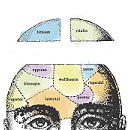

From Helplessness to Power: Collective Phantasy and Politics in Contemporary Iran
The cultural psyche evokes historical figures as phantasies to transform helplessness into a desire for revenge and restoration of power.

ADHD UK Cannot Hide the Flawed Science Behind the Diagnosis and Its Treatment
The extensive critique of the biomedical account of ADHD and its treatment with stimulant medication has persisted for decades.

U.S. Antidepressant Drug Labels Still Lag Behind Canada
SSRI labels in Canada warn about the risk of suicide as well as “violence,” including “harm toward others,” without age restrictions.

The Epidemic of Depression Diagnoses and Antidepressant Prescribing
Part of being human is to have difficulties, but they can be handled better if we don’t give people psychiatric diagnoses and drugs.

To the Few Psychiatrists Who Still Believe in ECT: See You in Court
I hope that legal cases like these will encourage psychiatrists to think twice before administering such a potentially damaging treatment.

The Existential Was Never Meant to Be Solved Alone
The sessions had value, but the relief I sought—a true shift in how I relate to the world—felt impossible.

Antidepressants Can Change Peaceful Citizens into Killers
We must warn about the harms of antidepressants and bring people to justice who contribute to the suicides and homicides by lies and medical malpractice.
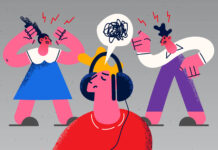
Absorbing Dark Emotions: Emotional Contagion
Are psychiatrists aware that susceptible people can absorb dark emotions from others when times are tough?

A Story of Bad Science: How Defenders of Antidepressant Efficacy Make Their Case
Psychiatric leaders should be in jail because they knowingly spread falsehoods about psychiatric drugs that kill.

In the Lindsay Clancy Case, Polypharmacy Will Be on Trial
Lindsay Clancy worsened while under the influence of psychiatric drugs, and at each step she desperately sought medical help.

What Medicine Does Not Yet Recognize in Psychiatric Tapering
Together, we can create a new way to support patients tapering psychiatric medications and the medically orphaned will finally feel welcomed.

How Can Soccer Coaching Help People Who Hear Voices?
Voice hearing might be conceptualised as reflecting disowned or dissociated aspects of self, often occurring as a result of life events.

Therapy as a Rite of Passage
If we turn toward ourselves with enough sincerity and curiosity, we will see that there is always something wanting to happen next.

Saving the Lone Pelican Soiled in Oil and Psychiatric Patients Soiled in Drugs
We should hold leading psychiatrists and their organisations accountable for the disaster they have created, just like BP was held accountable.

Unshrunk and Beyond—Important Lessons/Bigger Questions
It's hard to be an activist when you’re concerned you are permanently defective and sedated with a cocktail of mind-numbing psych drugs.

Where Psychedelics Meet Madness: Intersections, Lessons and a Call for Transformative Research Agendas
If I had been supported to integrate my altered-state experiences 36 years ago, how much suffering could have been alleviated?

On Alienation and the Chimeric Promise of Neuro-Identitarianism
As provision of basic needs continues to atrophy, resistance increasingly takes an individualised, myopic form.

The Mental Health Crisis We’re Not Naming
Despite the profoundly social and political nature of distress, the dominant response continues to individualize the problem.

Economists Conclude Reimbursing Tapering Strips Could Save Billions
Economists conclude Dutch government could save billions by reimbursing tapering strips to help patients safely discontinue psychiatric drugs.

Beyond Medication: What England’s Experience Can Teach Us About Psychosis Care
For over twenty years, NICE in England has recommended that people experiencing psychosis should be offered psychological therapy.

A Tribute to Diana Rose
I remember her for her brutal honesty, her path-breaking work in service-user led research, and sadly, her pain.

Despite What You’ve Heard, “Schizophrenia” Is Not “80% Heritable”
Schizophrenia genetics researchers begin with false assumptions and then present and interpret data in ways that confirm these strong beliefs.

On My Way to Norway with Julia Greenberg and Dory Previn
Dory’s eloquent reflections on her relationship with the voices she heard anticipated the burgeoning Hearing Voices and Mad Pride movements.

Mad in Slovenia
Mad in Slovenia joins the Mad in the World Network

Psychiatry’s Attack Dog Is at It Again
Robert Whitaker responds to Awais Aftab's inaccurate smear campaign toward Mad in America and other critics.