CRPD Absolute Prohibition Campaign and Course
For a long time I have been interested in offering a course on CRPD (Convention on the Rights of Persons with Disabilities) to pass on my knowledge to other activists and allow more people to take up the frustrating and passionate responsibility of human rights work. Finally I have come up with a plan that is doable.

Killing “Schizophrenics”: Contemporary U.S. Psychiatry Versus Nazi Psychiatry
In any society that prioritizes economic efficiency, productivity and order above life and all of life’s varieties, people experiencing altered and extreme emotional states will be seen as defective and as burdens—monkey wrenches that disturb the societal assembly line.

Spoiling Split: Hollywood’s Latest Run at ‘Alternative Facts’
Will ‘Split’ lead directly to someone dying or being beaten up? No, probably not. But, is it a pretty outrageous piece of evidence illustrating cultural trends that regularly represent people with psychiatric diagnoses as frightening and volatile? Absolutely.

Venomagnosia
In Ordinarily Well: The Case for Antidepressants, Dr. Peter Kramer makes two arguments that I agree with. The trouble for me is that Kramer’s clinical vision seems strangely rose-tinted. He is an advocate of using antidepressants to treat depression, but he doesn’t seem to see any of the problems antidepressants cause.

Psychiatry Interrogated: A Book Review
Psychiatry routinely presents itself as a legitimate medical specialty differing from the other specialties only in the kinds of illnesses treated. But there is another important difference between psychiatry and real medicine. Psychiatry's core concepts are embedded formally and informally in our legal, social, educational, and workplace institutions in ways that the other medical specialties are not.
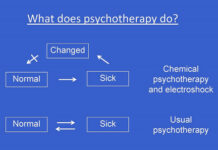
Chemical or Psychological Psychotherapy?
Prolonged use of psychotropic drugs can cause permanent brain damage, which can make it impossible for the patient ever to return to normal, and also cause a return to the disease state the patient originally came from.

Preventing Suicide in the UK – a Policy and Practice Divide
The Place of Calm’s innovative Peer Support Approach means suicidal people can stay up to 24 hours in a safe place in the community and receive practical and emotional support from trained professionals who have their own lived experience of mental health challenges. Evidence suggests that it saves lives and is cost effective. Yet its funding is now due to be cut.
SAMHSA’s Rose-Colored Lens
SAMHSA should be commended for undertaking an important educational task with laudable goals. Unfortunately, I have to conclude that SAMHSA’s Recovery to Practice module on medications for psychiatrists is a very minimal and even misleading attempt at educating psychiatrists.

Service Dogs, Allergies and Trauma: Making Spaces Inclusive
Obstacles to accessibility are increasing in mental health settings, as well as settings designed to be alternatives to psychiatry, which ideally should be accessible to people with disabilities — including disabling allergies.

CYP Testing to Help Prevent Dangerous Adverse Drug Reactions
Drug-drug interactions can be extremely dangerous, even if the CYPs are genetically normal. The picture becomes even more grim if we take into account drug-gene interactions. Genetic testing for variants in the CYP enzyme system will definitely save lives.

Mental Health First Aid: Another Psychiatric Expansionist Tool
Mental health literacy doesn't just mean the acquisition of some information and skills; it also means accepting the psychiatric hoax: "attitudes that promote recognition and appropriate help-seeking." The goal is not just the dissemination of psychiatry-friendly information, but also the active conversion of skeptics to the psychiatric cause.

Soteria Shelter Program in Hungary: Crisis as Danger and Opportunity
We believe that if we do no harm, crisis is not only danger but opportunity. We do not “treat” anybody or force anyone to do anything. We are together in order to help the people in crisis by means of our presence. Our ethical motto is: “It can happen to you, too.”

Peer-run Organizations Help People with Criminal Justice Involvement Return to the Community
Because of the enormous obstacles confronting individuals with behavioral health conditions who have been incarcerated, many peer-run organizations have risen to the challenge and have created programs to help these people rejoin the community.
Allen Frances and the “Overdiagnosing” of Children
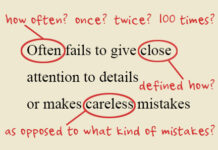
What Dr. Frances calls "massive mislabeling" is not the assignment of psychiatry's spurious labels as such, but rather what he calls the overuse of these labels. This notion of conservative, careful and accurate diagnosis is a common theme in Dr. Frances's writing, but in fact, it's an empty exhortation, because the criteria are inherently vague and ill-defined.
The DSM and the Medical Model: New Video
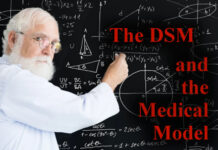
Since mainstream “mental health” care directly affects the public, the public deserves an overview of the issues raised by the critics of these practices. For this reason, I have created a short video lecture titled The DSM and the Medical Model, summarizing criticism of the medical model of mental distress and offering a sharp rebuke of psychiatry and its narrative.

Ruby Wax: From Shark Bait to the Doyenne of Disease
I ended 2016 as I started it: listening to a celebrity reducing the complex interplay between society and the psyche to a matter of simple biology. This deprives people of the opportunity to really understand their suffering and find meaning in it — and it undermines the case for prevention.

Healing Madness
After 35 years in medicine, and three years with the same large health care organization where I am now the Medical Director of Integrative Services, I have decided I must quit. I am not willing to be a part of any machine where I doubt in the benefit of what I am being asked to do, and fear it might even be making people sick.
MIA in the Year 2017
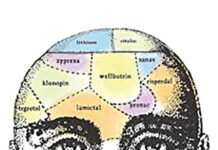
We have always conceived of Mad in America as a forum for a community to come together and “rethink” psychiatry and its current paradigm of care. This past year was our first operating as a 501c3, and the support we received from our readers and from charitable foundations has reinforced and strengthened this sense of our mission. As such, we thought it would be useful to briefly review how we expanded our operations in the past year, and detail our ambitions for 2017.

The NIMH in 2017: Looking for Love in All the Wrong Places
The official announcement of the NIMH's new director proudly proclaimed he had been studying things such as “the role of the hippocampus, a brain structure known to be important for memory and emotional processes associated with anxiety and depression.” Is there any evidence that anything will come of these theories — and the expenses demanded of such endeavors?

How Psychiatric Drugs Really Work
A case study of a former soldier illustrated that mefloquine can cause persisting brain injury with unrelenting, permanent emotional and cognitive problems. As my fellow psychiatrists commonly do, they diagnosed the former soldier with psychiatric disorders and treated him with multiple drugs, worsening his brain injury and overall mental condition.
The Biological Evidence for “Mental Illness”
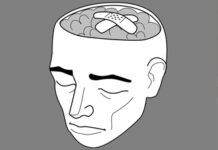
Partners' comment in response to my Carrie Fisher article essentially consists of unsubstantiated assertions, non sequiturs, and appeals to psychiatric authority. Because it comes from, and presumably represents the views of, an extremely large psychiatric practice, it warrants a close look.

What We Are Talking About When We Talk About Community Mental Health
While I struggle with whether I can work in an ethical way when there are forces and perspectives prominent in our culture that are antithetical to mine, I have kept my day job as a psychiatrist in a community mental health center in Vermont. This is a reflection on that work and the value I observe in the efforts of my colleagues day in and day out.

Understanding Extreme States: An Interview with Stephen Harrod Buhner
Finding myself intrigued by this man who'd never trained in psychiatry or psychology but who nevertheless worked effectively with people in severe distress using self-developed theories, I tracked Buhner down. I asked him to speak to me about these issues, and here is what resulted.

Pioneering New Zealand Antipsychotic Medication Study Focuses on Patient Experiences
Miriam Larsen-Barr's study is the largest to date on the subjective experiences of antipsychotic withdrawal, and the first to explore how people who have successfully stopped antipsychotics are able to maintain their well-being.

Time to ‘Drop the Disorder’
It was February 2016, the UK-EU referendum debate was beginning to warm up and my tolerance for absorbing toxic tweets and frustrating Facebook posts was dwindling fast. What then pushed me over the edge was yet another celebrity-inspired media frenzy about a psychiatric “illness.”