
Researchers Set the Record Straight on Controversial Zoloft Study
An issue of Lancet Psychiatry is devoted to clarifying the lack of efficacy for Zoloft (sertraline).
Medical Ghostwriting: When an “Author” Is Not Necessarily an “Author”
Ghostwriting, which is prominent in the psychiatry literature, is a scam in which pharmaceutical companies use an academic sleight of hand to stump the naïve reader. It is time for editors of the major medical journals to use the same standards of authorship found in the humanities and social sciences.

The House of Cards with Informed Consent Standards
I recently submitted a recommendation to Oregon’s mental health officials as they consider revising their clinical standards. If adopted, my proposal will open the door to a much wider recognition of the role that poorly conducted informed consent plays in the excessive use of psychiatric medications.

What is the Evidence for Empirically Supported Treatments in Psychology?
New meta-scientific review questions the evidence for the gold standard psychotherapies and empirically supported treatments.

Twin Studies and Ken Burns’ Upcoming Documentary on “The Gene: An Intimate History”
Siddhartha Mukherjee clearly knew little about the evidence supporting his claim that schizophrenia is a “genetic disease,” yet he thought he knew enough to reach strong conclusions in favor of genetics in what would become an award-winning book that was turned into a Ken Burns documentary.

Growing Research Connects Nutrition and Mental Health
A new article reviews studies in the field of nutritional psychiatry and how nutrition can prevent and treat mental health issues.

The Media’s New Hashtag: #GuardianshipIsGood for Britney Spears
Recent press coverage of top star Britney Spears, who remains under a personal and professional guardianship, reflects conventional attitudes about “mental illness” that are both stigmatizing and encourage legislation that promotes forced treatment.

Ketamine for Harmful Drinking: A Look at the Data
New research contends that ketamine can reduce problematic alcohol use but does the data support the claims?

Blaming Climate Change Inaction on Psychological Barriers Misses the Point
Researchers argue that blaming climate change inaction on psychological barriers ignores the effects of neoliberal capitalism and social structures.

Is Australia’s Psychiatric System Redeemable?
We have reached the point where we have to ask: Is psychiatry doing anything useful for society, or has it degenerated to an insatiable, high-cost and self-sustaining rentier gorging on the public purse? The Australian Productivity Commission is holding an enquiry into mental health; it is to be hoped that this will assist in the process of uncovering the truth.

Peter Breggin and Michael Cornwall – Stop the Psychiatric Abuse of Children
An interview with Drs. Peter Breggin and Michael Cornwall who discuss their new initiative, Stop the Psychiatric Abuse of Children (SPAC!). SPAC! was formed in response to the introduction of the Monarch eTNS, an electrical stimulation device worn on a child’s forehead at night that was fast-tracked by FDA with little testing.

The Field of Mental Health Has Gone Astray, But We Can Fix It
People should have real choice. The research and knowledge about how to work differently are already there. Now we need politicians and policymakers to force the change and make it happen in the established services. Mad in Norway will be a leading voice in ensuring this change.

Why is the Field of Psychotherapy Still Fractured into Different Approaches?
Psychotherapy is dominated by contradicting schools of thought, exhibits a gap between research and practice, and repackages old ideas rather than finding clinical consensus.

Pervasive Industry Influence in Healthcare Sector Harms Patients
Experts across the globe point to the harms of drug companies’ influence on research, practice, and education in healthcare noting that it compromises patient care.
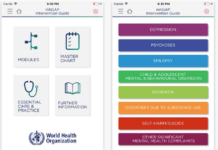
Researchers Critique WHO Mental Health Technology
Researchers critically examine the underlying assumptions and implications of a new WHO mental health technology designed to streamline psychiatric assessment internationally.
What Does ‘Relapse’ Mean? Definitions Used in Antipsychotic Trials Are Unclear
Antipsychotic drugs are prescribed on the basis of trials that demonstrate a higher rate of ‘relapse’ in people who are withdrawn from these drugs compared to those who continue to take them. Yet, incredibly, there is no consensus about what ‘relapse’ means in this situation.

Young Adult Food Insecurity Linked to Poor Mental Health
A new study identifies significant links between food insecurity and sleep, anxiety, depression, and compromised wellbeing among young people in the United States

Statisticians: Current Policies Approve Ineffective Treatments
Current standards for clinical trials rely on statistical methods that allow for ineffective treatments to gain approval.

The Matrix: Disentangling Anti-Psychiatry
For the last forty years, psychiatry has been comprehensively critiqued from a myriad of disciplines including sociology, psychology, and the user movement. Is there anything that can be salvaged from the psychiatry project? How would a psychiatrist practice ethically in such a nefarious environment?

In Memory of Julie Greene
With deep regret, Mad in America announces another loss in our contributor community. Julie C. Greene, writer and antipsychiatry advocate, lost her battle with kidney disease on November 29 at her home in Beaver Falls, Pennsylvania. Julie had been an MIA blogger since 2014, including several pieces on the dangers of lithium.

Learning to Speak the Subtle Language of Pain
It gradually dawned on me that my back pain was another mask that depression wore. Instead of crying and feeling overwhelmed or giving up, my body was sending distress signals to help me realize that I was in a difficult spot. I began to realize some of the metaphorical aspects of the pain I experienced.

Measuring How Mental Health Professionals See Service Users’ Rights
A new scale has been developed and validated to examine beliefs held by mental health professionals towards service users’ rights.

Psychological Support for Psychiatric Drug Withdrawal
We discuss the release of guidance which has been specifically written to support UK psychological therapists and their clients in having discussions about taking and withdrawing from psychiatric drugs. The guidance is a collaboration between counsellors, therapists, psychologists, peer support specialists and psychiatrists.

Experts Raise Ethical Concerns About Machine Learning in Medicine
The use of machine learning algorithms (known as artificial intelligence) in the medical field raises a slew of ethical concerns.

A Tribute to Stephen Gilbert, Warrior Behind Enemy Lines
Stephen Boren, who posted here under the name Stephen Gilbert, passed away November 12 after a battle with cancer. Stephen offered a unique perspective, working as peer support staff at the same hospital where he had once been held as a patient. We will miss his daily presence on MIA.