Tag: psychotherapy

Can Psychiatry Respond to Mad Activism?
Psychiatrist Mohammed Abouelleil Rashed explores a way forward for psychiatry in responding to the Mad activism of service users.

What is the Evidence for Empirically Supported Treatments in Psychology?
New meta-scientific review questions the evidence for the gold standard psychotherapies and empirically supported treatments.

Why is the Field of Psychotherapy Still Fractured into Different Approaches?
Psychotherapy is dominated by contradicting schools of thought, exhibits a gap between research and practice, and repackages old ideas rather than finding clinical consensus.

Psychotherapy Less Effective for People in Poverty and Those on Antidepressants
A new study finds poorer depression and anxiety outcomes in psychotherapy for people in economically deprived neighborhoods and those on antidepressants.

Therapy Gets More Effective Over Time While Antidepressants Decrease in Effectiveness
New review of long-term depression data finds psychotherapy more effective over time whereas antidepressants decrease in effectiveness.

Service-Users Who Found CBT Unhelpful Offer Their Perspectives
Counseling clients in the UK who found CBT unhelpful were interviewed about their experiences.

Effective Therapists’ Skills May be Rooted in Personal Histories
Systematic review differentiates the qualities of effective therapists from those that are less effective and finds that successful therapists’ professional skills are connected to their personal lives.

Psychiatrist Offers Ecological Model for Psychotherapy
Insights from phenomenological philosophy can assist in understanding psychotherapy and psychopathology as ecological rather than individualistic.

Two Roads Diverged in a Yellow Wood: A Tale of Psychotherapy
Two roads diverged in a yellow wood, and not knowing which one to take, I stood straight, watching my life pass me by. But in therapy, I began to feel the knots of my life come alive inside me. The point is not just to talk, it is to feel your story inside, to hear your silences, and to realize who you are… and who you can be.

Introducing Multi-Lens Therapy
How can we restore something as essential to the healing and helping process as knowing what is going on? If your client has an actual biological problem, he needs one sort of help. If he hates his job, he needs another sort of help. It is absurd (and not okay) that a helper would look only at putative “symptoms” and not at what’s going on.

Saving Psychotherapy
Psychotherapy could, and really ought to, promote itself as the best investigative tool around for understanding emotional health and problems in living. That would change its footing, putting it on much more solid ground. I’m calling this redefined version of psychotherapy multi-lens therapy, to put the emphasis on where it ought to have been put all along: investigating.

Developing Alternatives to the DSM for Psychotherapists
A new article suggests counselors and psychotherapists are dissatisfied with current diagnostic systems and outlines some potential alternatives.
Flexible Treatment Planning Improves Depression Outcomes in Youth
Researchers explore the effects of augmented treatment at various points in interpersonal psychotherapy for adolescents diagnosed with depression, highlighting previously unidentified critical decision points (i.e., relatively early in the treatment sequence).

Data Challenges Superiority of Manualized Psychotherapy
New data fails to support the promotion of manualized psychotherapy as superior to non-manualized forms of psychotherapy.

Integrating Indigenous Healing Practices and Psychotherapy for Global Mental Health
As the Global Mental Health Movement attempts to address cross-cultural mental health disparities, a new article encourages integrating traditional healing practices with psychotherapy.

Therapist Empathy Predicts Success in Psychotherapy
An updated meta-analysis reveals that therapist empathy is a predictor of better psychotherapy outcomes.

Does Psychotherapy Reproduce or Disrupt Neoliberal Capitalism?
Researchers explore neoliberal influences on interactions in psychotherapy and question whether the radical potential of psychotherapy can counter prevailing social systems.

Olga Runciman: Compassionate Psychotherapy
Olga Runciman, voice hearer, psychiatric nurse in locked wards, and survivor of a diagnosis of paranoid schizophrenia, brings her experience with recovery to her work as a psychotherapist in private practice.

DACA has “Immediate and Positive” Impact on Lives of Immigrant Students,...
New research demonstrates the benefits and complexities for immigrants transitioning from undocumented to DACA status.
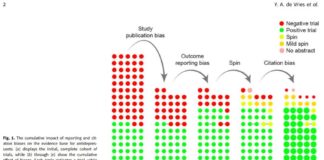
Publication Bias Inflates Perceived Efficacy of Depression Treatments, Study Finds
Researchers report the cumulative effects of major biases on the apparent efficacy of antidepressant and psychotherapy treatments.

New Study Investigates Negative Side Effects of Therapy
Researchers find that nearly half of cognitive behavioral therapy (CBT) patients experience treatment side effects.

A New Era in New Zealand’s Mental Health Treatment
From SCOOP: "Today details of the Green Party's free youth counselling policy, for those aged 18 – 25, was announced. The pilot funding has been outlined...

Busting 7 Myths About the Practice of Psychotherapy
All in all, it is not enough that public policy pundits push for greater access to mental health services. Alongside improving access, there needs to be renewed focus on the quantity and quality of psychotherapy the average American currently receives. Health insurers need to reexamine their false assumptions about the effectiveness of short-term, quick-fix therapies.

Sleepwalking Towards Artificial Intimacy: How Psychotherapy Is Failing The Future
From Forbes: Artificial intimacy has long been a science fiction fantasy and now programs appear that say they deliver it in bits and pieces: a...
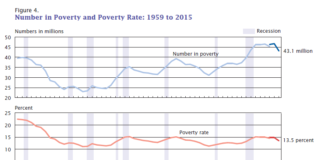
Psychotherapy is Less Effective and Less Accessible for Those in Poverty
A special issue explores the connection between poverty, mental health, and psychotherapy.