Tag: diagnosis

Teacher Perspectives on Student ADHD Medication Use
Qualitative study examines patterns in teacher attitudes and knowledge related to medication of students for ADHD-type behaviors.
Study Reveals Inconsistency in ADHD Diagnostic Determinations
Researchers compare differences between research and clinical diagnoses of ADHD and explore the consistency of clinical determinations over time

The Role of Racial Bias in the Overdiagnosis of Schizophrenia
Researchers detect disparity between white and African American patients diagnosed with schizophrenia when symptoms of a mood disorder are present.
Researchers Make the Case to Rename Schizophrenia
The authors outline reasons for renaming schizophrenia and the way a change can reform practice.
Developing Alternatives to the DSM for Psychotherapists
A new article suggests counselors and psychotherapists are dissatisfied with current diagnostic systems and outlines some potential alternatives.

The Global ‘Mental Health’ Movement – Cause For Concern
On October 10th, 2018, World Mental Health Day, The Lancet Commission on Global Mental Health and Sustainable Development published a report outlining a proposal to “scale up” mental health care globally.

International Study Documents Widespread Distress in College Students
An international study of college students reveals ubiquitous social and emotional challenges faced by young adults.

Statistics for the Social Sciences by Miriam Barr
I had this idea I could join the system
and change it from the inside
but you can’t join the system
and not join the system

Screening Instruments Do Not Reflect Individual Experiences of Depression
Researchers detect discrepancies between the language used to describe lived experiences of mental health and the language used in modern screening tools.

Poor and Foster Care Children More Likely to be Diagnosed and...
Study details Medicaid-insured birth cohort’s exposure to psychiatric medications and mental health services.

Differing Depression Diagnostic Tools May Influence Research Findings
The type of diagnostic assessment used in research settings, either fully structured or semi-structured interview, may affect which participants in receive a diagnosis of major depression.
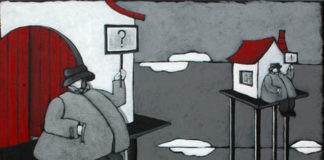
Call for Client Inclusion in Recovery-Focused Psychiatric Diagnosis
A new review, published in The Lancet Psychiatry, examines the perspectives of clinicians and service-users on psychiatric diagnosis.

Would We Have Drugged Up Einstein?
In this piece for Alternet, psychologist Bruce Levine explores why Mental Health Professionals often diagnose anti-authoritarians with mental illness.

Study Calls for Consensus on Overdiagnosis Across Medical Disciplines
Lack of overdiagnosis parameters stifles communication across fields seeking to mitigate its potential harm.

Dr. Noel Hunter and Brett Francis: Diagnosis, Empowerment and Equality
This week we interview Dr. Noel Hunter and Brett Francis who have, in their different ways, experienced the psychiatric system and then gone on to challenge our response to mental ill health and the medical model.

Researchers Question the Utility of an ADHD Diagnosis
A new article examines the usefulness of the ADHD diagnosis and suggests alternatives

Those at High Risk for Psychosis More Likely From Deprived Neighborhoods
A recent study published in Schizophrenia Research examines the incidence individuals deemed “Ultra High-Risk” (UHR) for psychosis and their neighborhood of residence

Researchers Make a Case for a “Theory of Nothing” in Psychology
What meaning do psychological constructs really hold, and how are they operationalized and statistically modeled within psychology research?


Psychiatric Ethics
When psychiatrists conduct "diagnostic" assessments on public figures, they are drawing attention to the fact that psychiatry's "diagnostic" system is more like a children's matching test than a genuine medical nosology. They are drawing attention to the fact that the Emperor has no clothes. And we all know where that leads.
Mental Health in Black and White
When I looked through my mountains of medical records, I saw that the providers who listed my race as black applied diagnoses like major depressive disorder and PTSD. The providers who saw me as white preferred diagnoses of panic disorder and borderline personality disorder. Of course, my experiences are just anecdotal. But if racial bias due to subjective experiences of practitioners can play such a large role in mental health diagnostics, how is this even considered a scientific discipline?
“Mind, Myth and Madness”
Are psychiatric diagnoses real, or are they the cause of an apparent global mental health crisis? Researchers Richard Bentall and Simon Baron-Cohen, and psychiatrist Dinesh Bhugra...
The Inherent Unreliability of the ADHD Label
I imagine that everybody on this side of the issue knows by now that the eminent psychiatrist Jeffrey Lieberman, MD, Chief Psychiatrist at Columbia, and past President of the APA, called Robert Whitaker "a menace to society." The grounds for Dr. Lieberman's vituperation were that Robert had dared to challenge some of psychiatry's most sacred tenets! But in all the furor, it was largely ignored that in the same interview Dr. Lieberman had said something else that warrants additional discussion.
Medical Nemesis Revisited: Physician-Caused Anger, Despair & Death
Regaining power over our own health was the goal of Ivan Illich’s 1976 book Medical Nemesis, which detailed an epidemic of physician-caused death and illness. This epidemic continues, and so does an epidemic of physician-caused anger, despair and crazy-appearing behaviors. In 2013, the Journal of Patient Safety reported that the “true number of premature deaths associated with preventable harm to patients is estimated at more than 400,000 per year,” making it the third leading cause of death in the United States It is especially drug use errors, communication failures and diagnostic errors that result in another medical nemesis: They can make us appear—and sometimes feel—like we’re “crazy.”
Deconstructing Psychiatric Diagnoses: An Attempt At Humor
Based on my experience both as a therapist and client in the mental health field, I have learned that when therapists or psychiatrists give you the following diagnoses all too often here is what they really mean: