
Antidepressants Blunt Ability to Feel Empathy
A new study suggests that taking antidepressants impairs empathy, while the experience of depression itself does not.

Antidepressant Use More Than Doubles Risk of Suicide Attempts
Throughout the past two decades, studies have warned of increased suicide rates in those taking antidepressants, especially in children and adolescents. Researchers also documented...
Anticholinergic Psychiatric Drugs Linked to a 50% Increase in Dementia
People who take anticholinergic drugs, such as antidepressants and antipsychotics, are at a 50% higher risk of dementia.
Researcher Critiques Misleading Claims About Antidepressants
Recent claims about antidepressant effectiveness have been based on misleading statements and misunderstandings of the science.
Poverty, Pathology and Pills: An Interview with Dr. Felicity Thomas and Dr. Richard Byng
MIA’s Tim Beck interviews Dr. Felicity Thomas and Dr. Richard Byng about their report, Poverty, Pathology, and Pills, which situates increasing rates of mental health diagnosis and psychiatric prescriptions within socioeconomic and policy trends across the UK.

Children Taking ADHD Drugs More Likely to Take Antidepressants as Teens
Adhering to a commonly prescribed medication for ADHD in children is associated with higher chances of being prescribed antidepressants in adolescence.

Exposure to Antidepressants in the Womb Linked to Autism
Researchers, publishing in Toxicology Research, review the evidence that antidepressant exposure in the womb is linked to autism spectrum disorders (ASD) in humans.

Exposure to Antidepressants in the Womb Linked to Autistic Behavior in Mice
Researchers experimenting on mice found that exposure to fluoxetine (Prozac) in utero resulted in behaviors considered in animal studies to be analogous to autism in humans.

Antidepressant Use Linked to Longer, More Frequent Psychiatric Rehospitalization
New study finds that antidepressants may negatively impact recovery after psychiatric hospitalization.

William Styron: His Struggles with Psychiatry and Its Pills
Author William Styron is often remembered for speaking about depression as an illness. But a review of his life reveals that psychiatric drugs may have triggered and even worsened his depressive episodes.

The Effects of Antidepressant Exposure Across Generations: An Interview with Dr. Vance Trudeau
Dr. Vance Trudeau discusses his study's finding that antidepressants may have far-reaching, adverse effects that last up to three generations.

Combining Mirtazapine with Existing SSRI or SNRI Does Not Improve Depressive Symptoms
Study finds combining mirtazapine with an SSRI or SNRI is not clinically effective for improving depression in primary care patients who remained depressed after taking an SSRI or SNRI.

Does Active Placebo Response Explain Antidepressant Results?
A new study investigated whether participants guessing if they have an antidepressant or placebo affects response rates.

New Study Finds Limited Effectiveness for Antidepressants After Stroke
The researchers found that although antidepressants had a slight short-term effect on reducing the likelihood of depression diagnosis, there was no long-term improvement, nor any improvement in motor functioning.
Researchers Challenge Interpretation of Antidepressant Meta-analysis
Researchers question the overstated results of a large antidepressant meta-analysis and point to cultural pressures to turn to these drugs for a quick fix.

Study Links Antidepressants and Decreased Coping Behaviors Across Generations
Biologists found that exposure to antidepressants suppresses important survival behaviors in zebrafish, an effect that persisted across three generations and was found to be more severe for males.

Researchers Push Back Against Recommendation to Combine Antidepressants for Suicide Prevention
Researchers challenge the recommendation of starting two antidepressants simultaneously to increase preventative effects against suicide.

Researchers Ask, ‘Why Do Antidepressants Stop Working?’
An international group of researchers, including several with financial ties to manufacturers of antidepressants, explore possible explanations for why long-term users of antidepressants become chronically depressed.

Increased Suicidality in Cymbalta Trial for Fibromyalgia in Teens
A new as-yet-unpublished trial of duloxetine (Cymbalta) for fibromyalgia has presented more evidence of suicidal events in teens.

Pooling Data May Hide Negative Outcomes for Antidepressants
A new study, published in Psychological Medicine, found evidence for a specific type of publication bias distorting the evidence about antidepressant efficacy.

Reanalysis of STAR*D Study Suggests Overestimation of Antidepressant Efficacy
Reanalysis of the original primary outcome measure in the STAR*D study suggests STAR*D findings inflate improvement on antidepressant medication and exclusion criteria in conventional clinical trials results in overestimation of antidepressant efficacy.

Researcher Challenges Clinical Effectiveness of Antidepressants
A new article in BMJ Evidence-Based Medicine addresses common misinterpretations of the efficacy research on antidepressants.

Adolescent Suicide and The Black Box Warning: STAT Gets It All Wrong
STAT recently published an opinion piece arguing that the black box warning on antidepressants has led to an increase in adolescent suicide.
It is easily debunked, and reveals once again how our society is regularly misled about research findings related to psychiatric drugs. STAT has lent its good name to a false story that, unfortunately, will resonate loudly with the public.

SSRI Exposure in Pregnancy Alters Fetal Neurodevelopment
Alterations in gray matter and white matter development found in infants of mothers taking SSRI antidepressants during pregnancy.
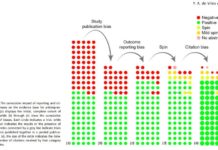
Publication Bias Inflates Perceived Efficacy of Depression Treatments, Study Finds
Researchers report the cumulative effects of major biases on the apparent efficacy of antidepressant and psychotherapy treatments.